Welcome to the peace initiative for Ukraine in which you can contibute by raising your awareness as well as your consciousness[+] and spirit to the modes[+] of neutrality[*], decency, respectfulness, wisdom[*], objectivity, mastery of the intellect, surrender (ego and mind to God’s will), and finally peace (inner then outer). To properly grasp everything, we recommend reading the articles of this peace initiative in the order that we[*] designed it, which is listed in the Contents. So if you haven’t read the previous articles, we urge you to do it, please. The topic of this article is spread through six articles, this one being the last in this series/segment (read the first one, please).
So, another in an extensive list of indicators of who will win this war and whom celestial and world powers favor are side-effects in form of economical, geopolitical, and legal gains, apart from military victories.
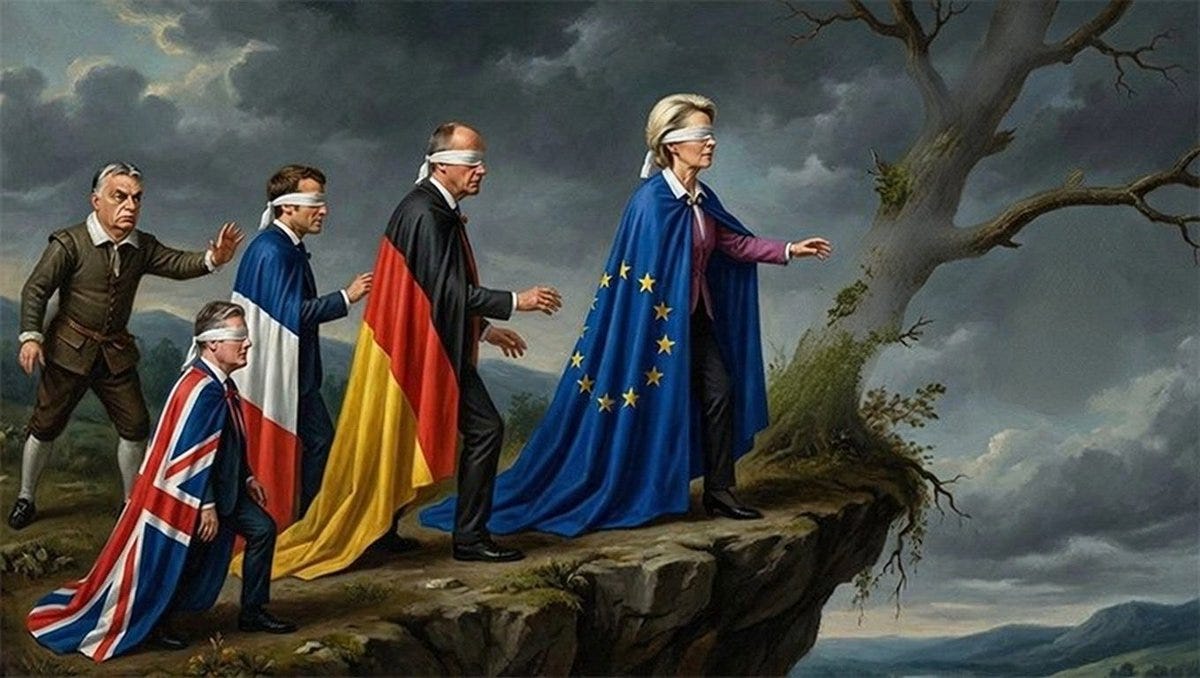
Astounding is the fact that when it comes to side-effects of this war, there is absolutely none of them that disfavor Russia while there are plenty that disfavor Ukraine and NATO countries and their allies/colonies (Australia[+][+], S. Korea[+], Japan[+][»]), which is yet another sign that the world and God are siding with Russia.
Whatever the West tries to do to harm Russia, it ends up harming itself more. While they keep on scheming to harm Russia, all their attempts play into the Russian hands.
Whereas Ukraine is losing everything on all fronts (military, economic, geopolitical, ideological, etc.), Russia is winning on all fronts:
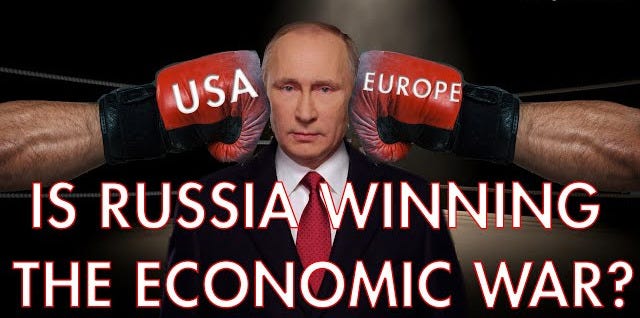
Russia won the economic war that the West initiated against it
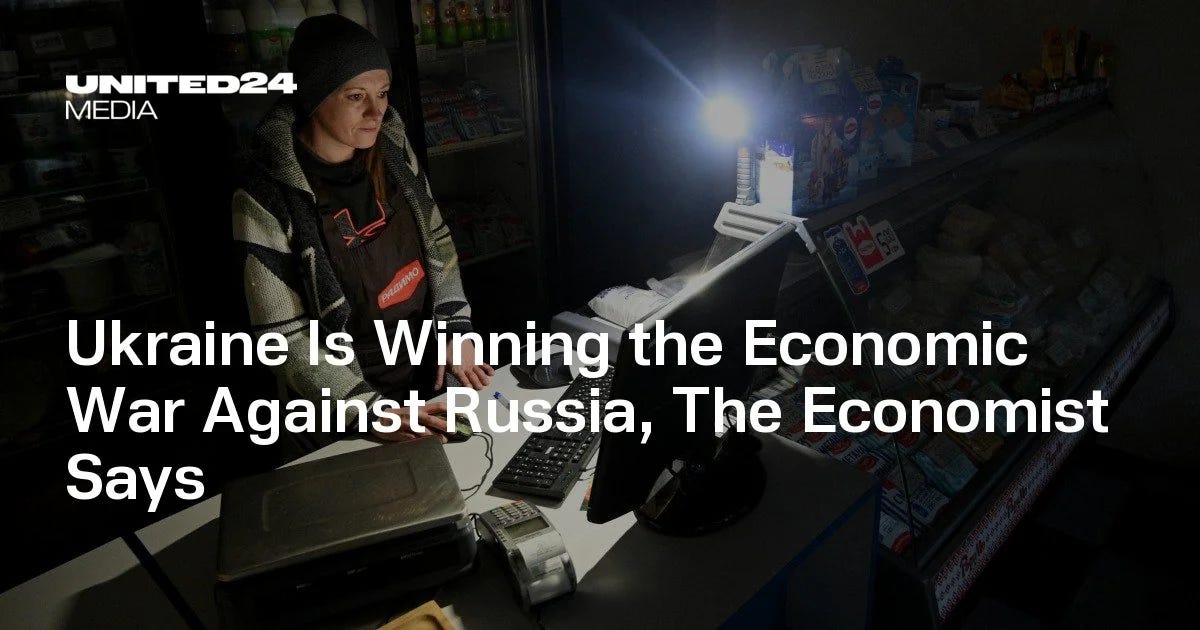
If we are to trust the Rothschild-owned (the largest shareholders of) The Economist, a British publication with close ties to British secret intelligence MI-6, as of December 2024[+], “Ukraine is winning the economic war against Russia”, believe it or not! Never mind that Ukraine's economy is one-quarter smaller than in 2021 while Russia's economy is 19%[+] bigger (2021 vs 2024), because all the average citizen in the West minds is such headlines coming from “trustworthy” mainstream media.
In January 2024, then-British Foreign Secretary David Cameron said[+][+] that GDP of countries that support Ukraine is 25 times higher than Russia's, nevertheless their economies shrunk during the war, while Russia's economy grew!
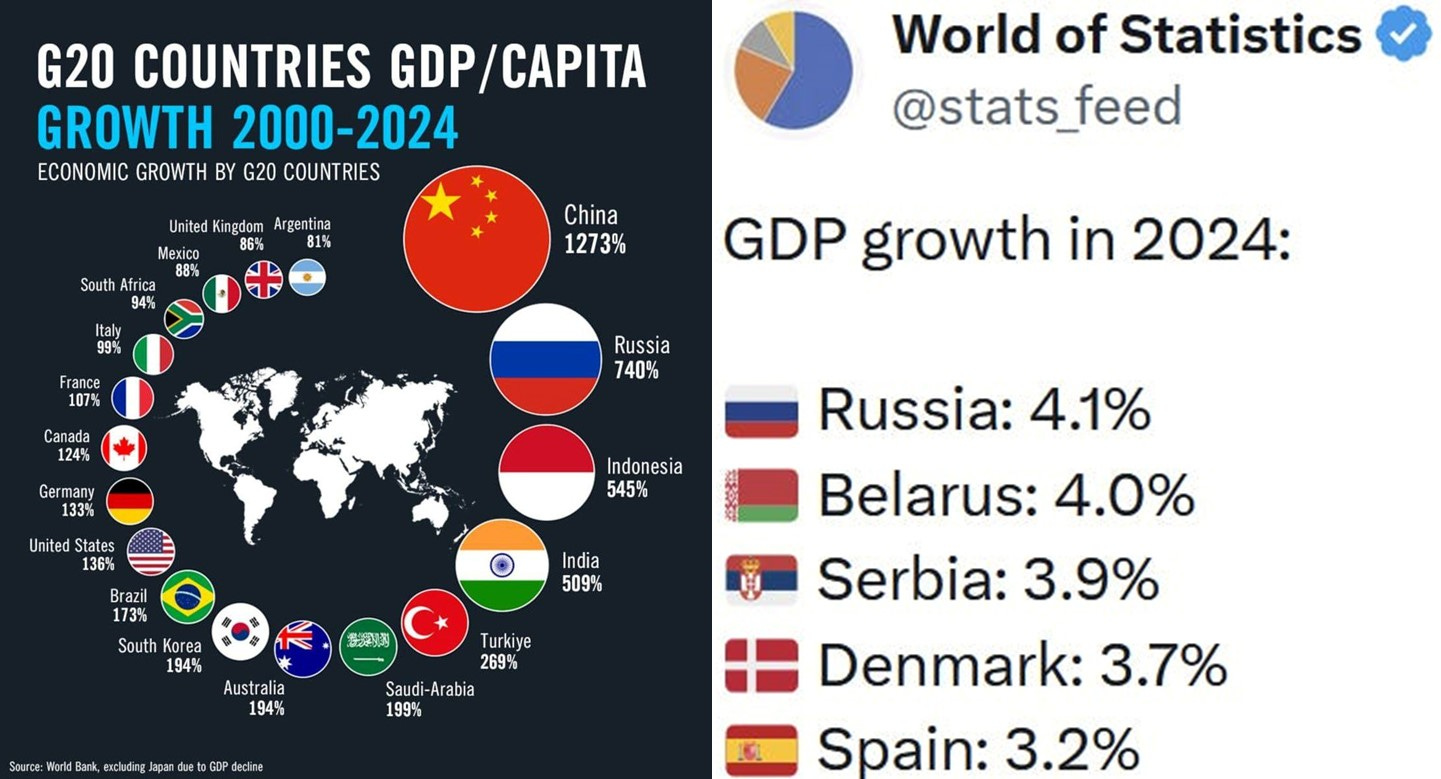
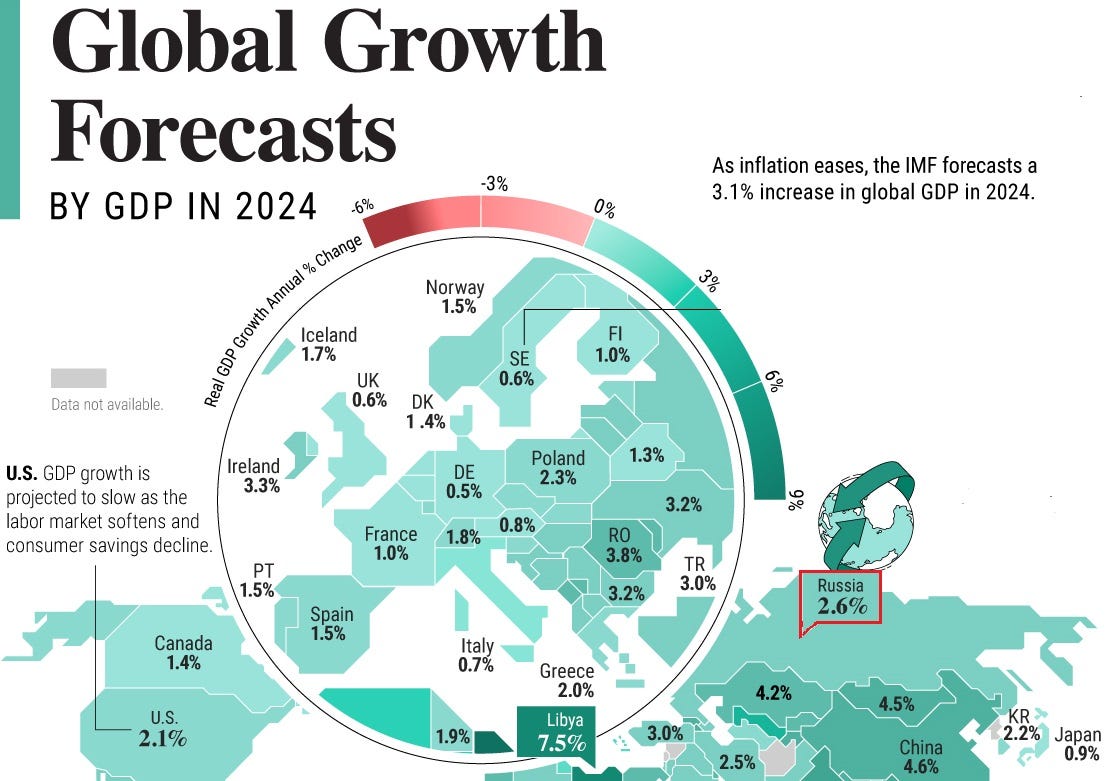
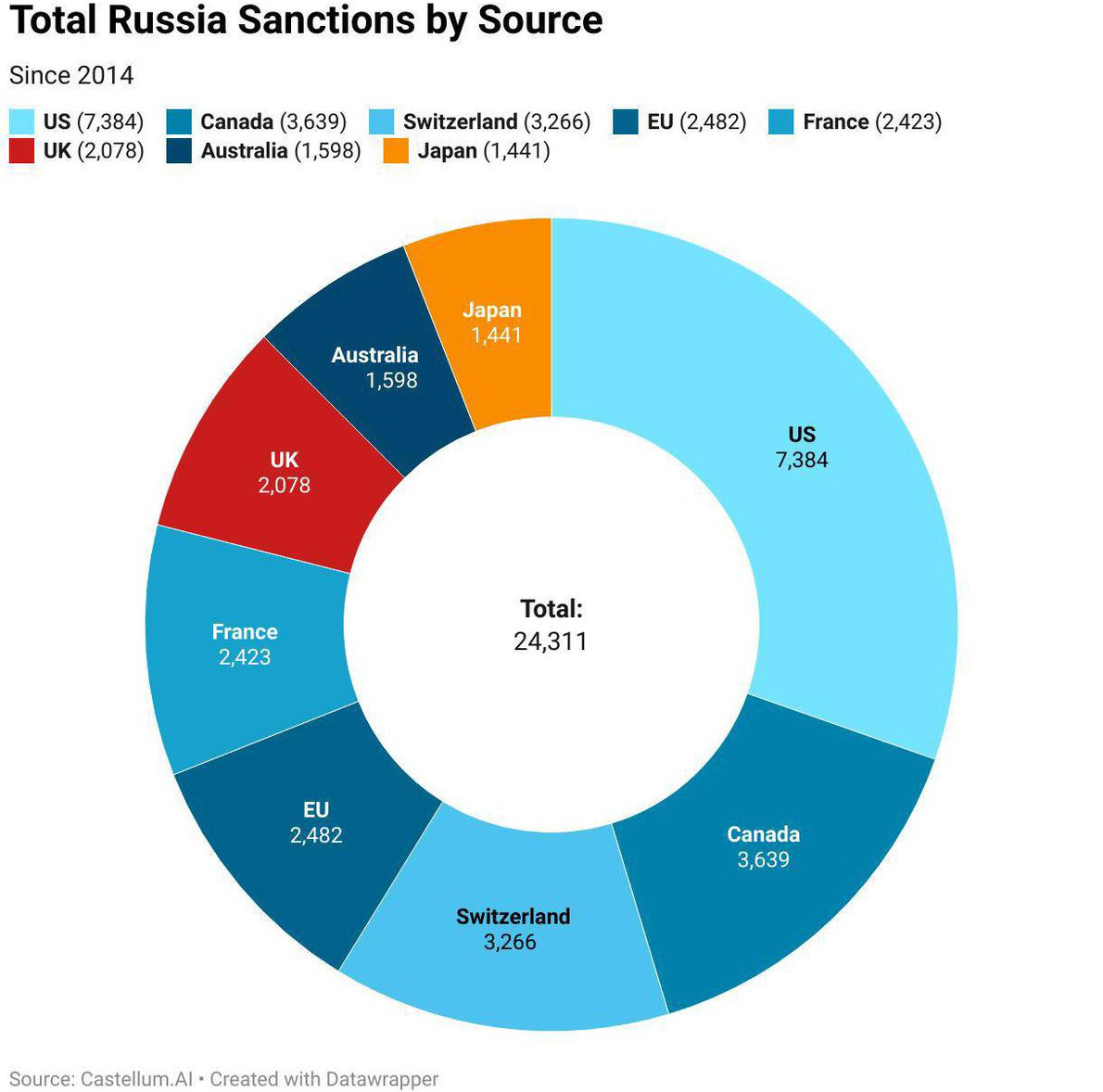
Despite the draconian sanctions against Russia (30.159[+] sanctions against Russian individuals and legal entities) since 2014, according to the International Monetary Fund (IMF) World Economic Outlook updates[+][+], the Russian economy outperformed all the NATO countries in 2023 and 2024. In 2024, the Eurozone's GDP growth was 0,9% while Russia's was 4,1%[+] (same as in 2023, despite 28.595[+] sanctions then, in mid-2025 – 30.159[+])! Russia outpaced[+] all G7countries in terms of economic growth rates. If this is not humiliating, then what is? And not just Russia but BRICS – the G7 (the self-proclaimed Great 7 are not great at all, not on the map and not in economic power) had 1,9% growth in 2024 while BRICS had 4,9% (in Russia, it's 4,1% two years in a row). NATO leaders keep on lying how Russia's economy is in tatters[+][»][+] while clearly projecting as it is their economies that are in tatters, especially in the EU. It's like a drowning person mocking someone on a raft for sinking 😊.
click here to see: Germany: -0.2%, UK & France: 1.1%…
In November 2025, Bloomberg[+]: Britain and Europe are heading towards collapse due to the economic path they are on. The Economist recently asserted that the UK government is going bust.
By 2024, Western mainstream media started admitting in one way or another that Ukraine can't possibly defeat Russia on the battlefield by making headlines like[+] “Ukraine’s best hope may be a faltering Russian economy.” Well, if that is their best hope (and probably the only hope), then they are doomed because it ain’t gonna happen. Russian economy is anything but faltering.
What is Ukraine’s economy going to look like without 40% of its population, no access to cheap Russian gas, losing the largest nuclear power plant in Europe in Zaporizhzhia and losing the 2 of top 3 natural resource-rich regions (Donetsk and Lugansk)? In 400 years, like this[»], showbiz-run Kyiv regime says. See then if you can trust them with anything else.
Some dumb Western and Kyiv propagandists flare whenever Russian currency, the ruble, devalues against dollar, waving it like a victory flag to claim Russia’s economy is in tatters. Bless their hearts, they seem blissfully ignorant of a basic financial tactic: deliberately undervaluing currency to make exports more competitive. What they conveniently forget to mention is when the ruble bounces back like a superhero in a comeback movie – e.g., gaining nearly 40%[+] against the dollar in 2025 alone. Do those journalists ever glance at economic reports, or are they too busy crafting their next hot take? ? Let’s help clear up their apparent brain fog with just a few undisputable facts about Russia’s economy:
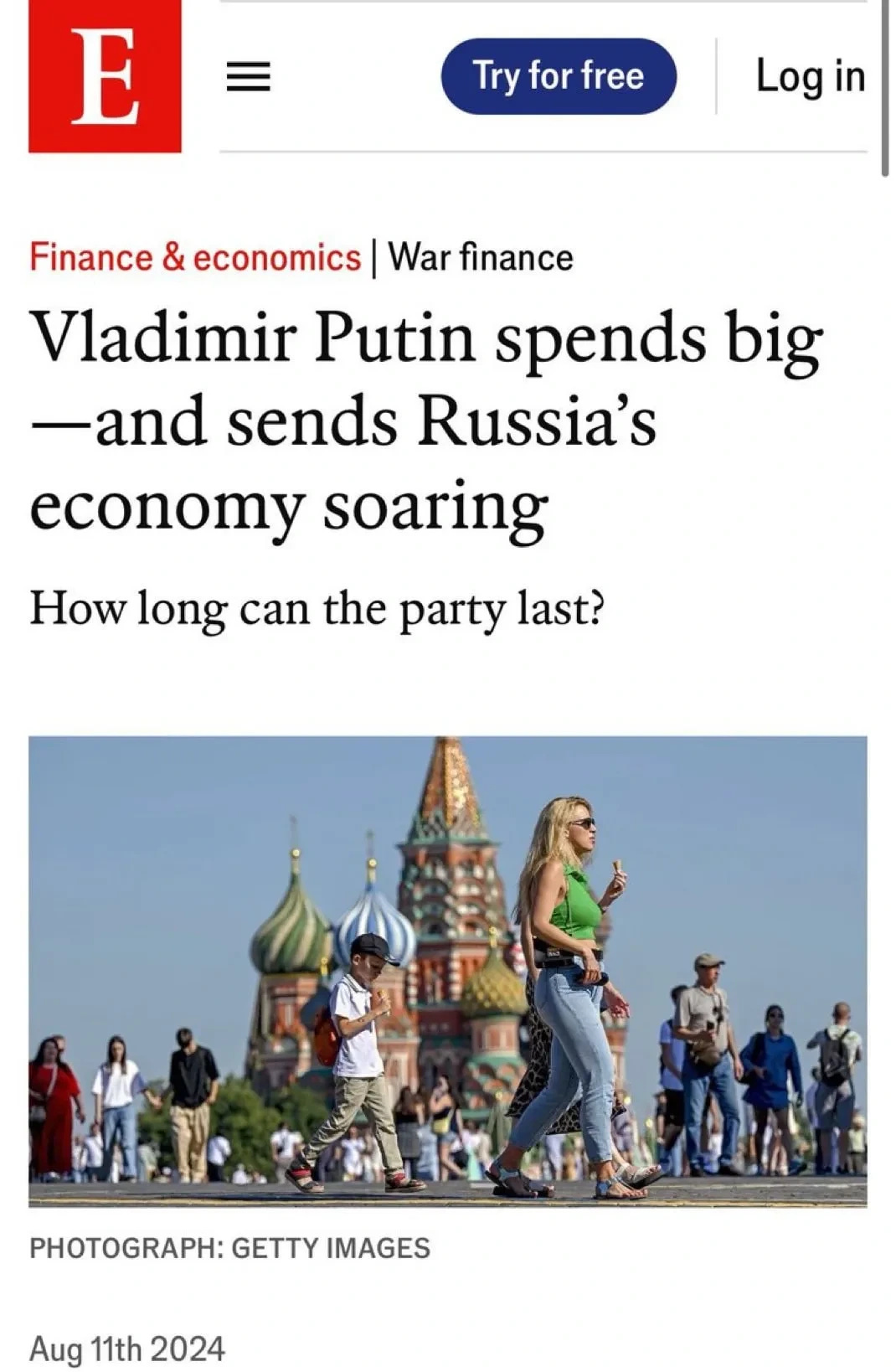
✅ Russia's economy grows[ꚛ][ꚛ] and is soaring[+]while the Western economies decline decline[+][+][»][+][+][+][»]or are in recession.
According to the IMF – International Monetary Fund[+][+], Russia's economy grows and is expected to further grow faster than all advanced economies. It is better than Germany’s[+][ꚛ] and all the other countries in Europe (not just the EU but also better than in Switzerland, the UK, etc.)[+]. Despite being the most sanctioned country on the planet[+][ꚛ], Russia still manages to come at the top.
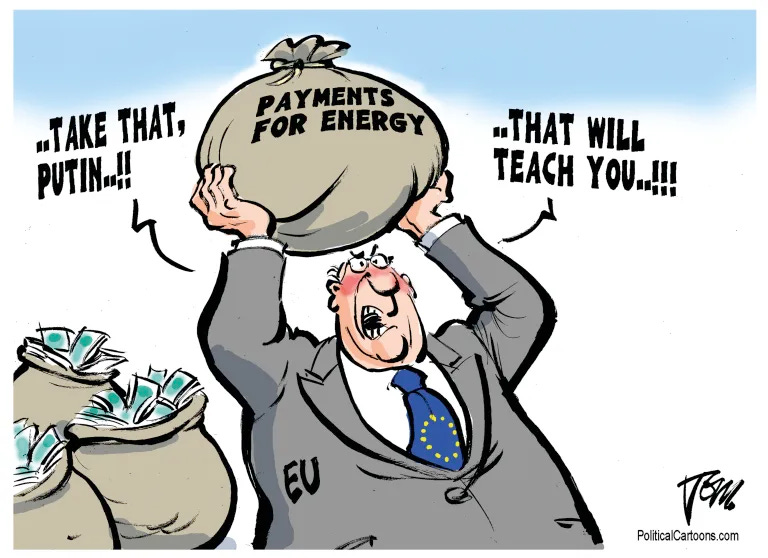
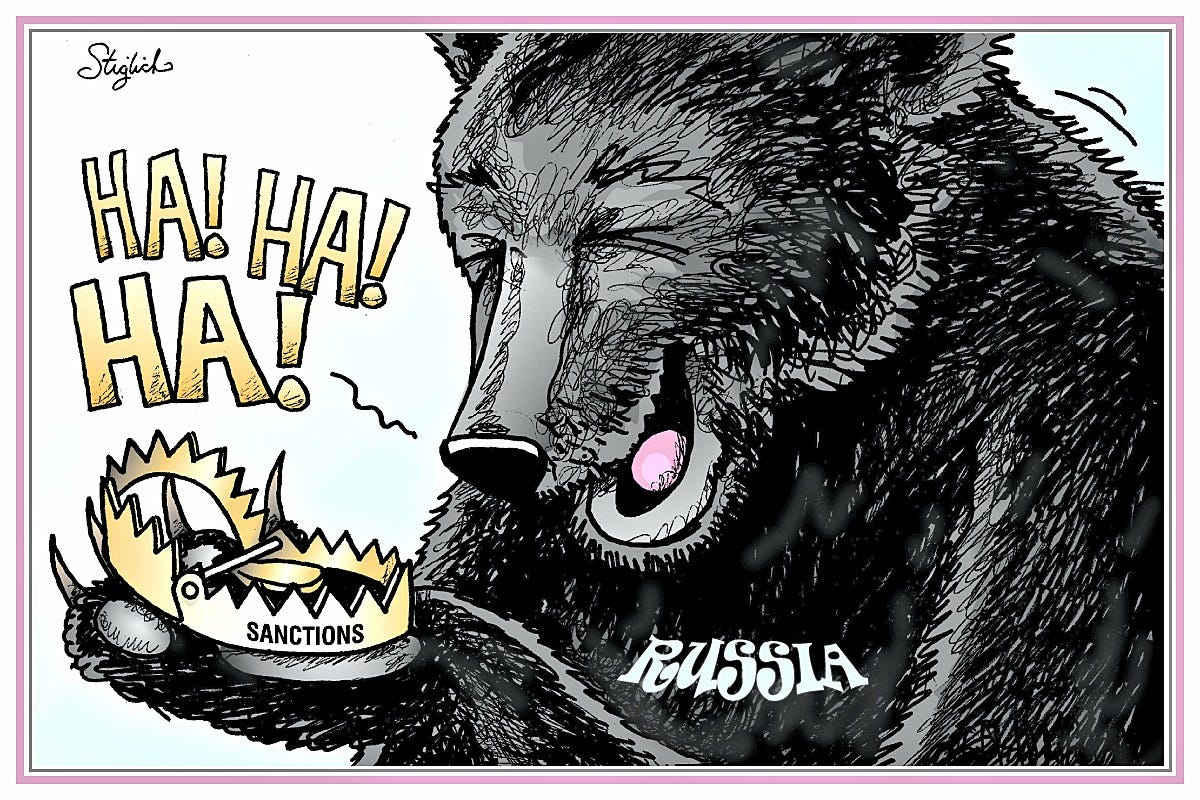
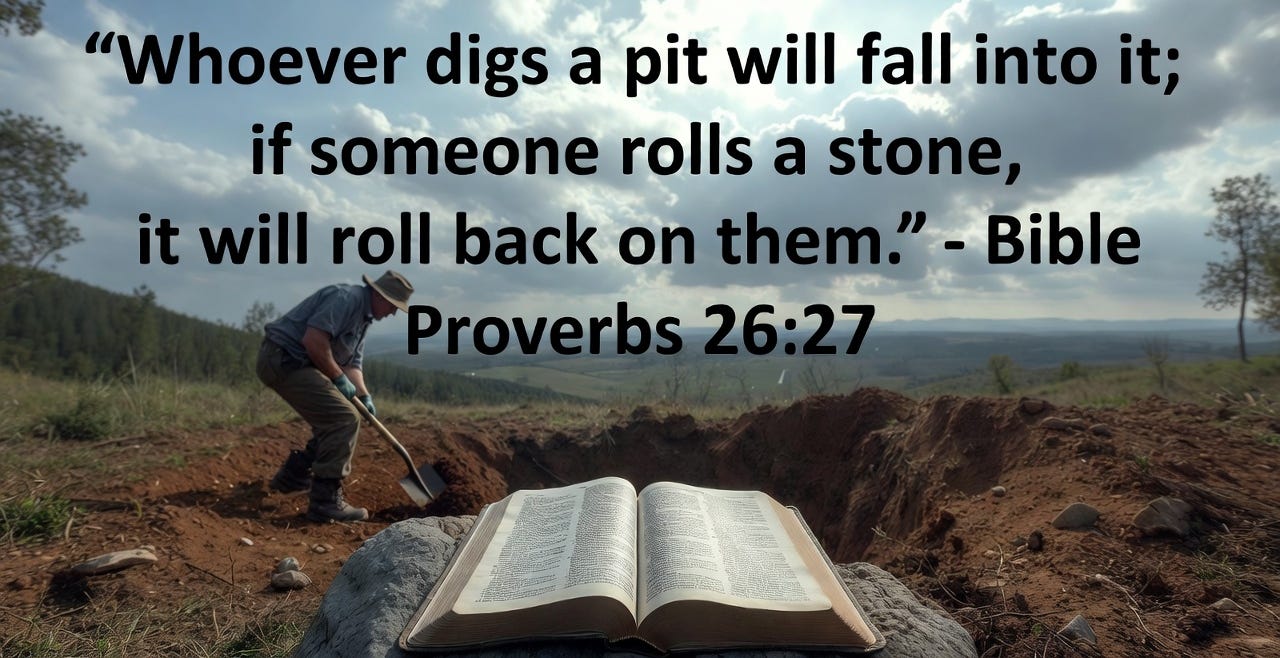
Russia’s national debt[+] has been decreasing[+] and remains one of the lowest in the world (below 20%[+] of GDP), while Western countries are drowning in debt, including G7 with around 126%[+] of GDP in 2025[+]. Russia has trade surplus[+](more exports than imports) while the West has trade deficit. By June 2025, the EU lost[+] 200 billion euros by rejecting Russian gas. Western “experts” thought sanctions would cripple Russia but they crippled the West[+][+], proving right the Bible[+] and Torah[+] proverb: “Whoever digs a pit will fall into it.” For the Russians, another proverb proves right: What doesn't kill you, makes you stronger.
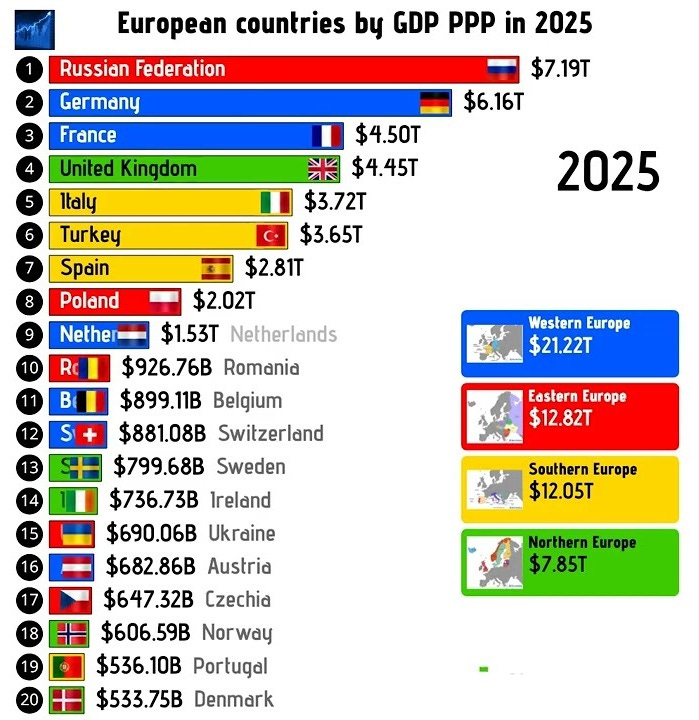
Despite the war and all the draconian sanctions, GDP Purchasing Power Parity (PPP)[?] in Russia keeps improving and has outdone[+][+][ꚛ][ꚛ][+] Germany and Japan! It ranks as 4th best in the world, better than all the other countries in Europe – not just the EU but also better than Switzerland, the UK, etc.[+], as evidenced by statistics from Western sources sources (IMF, World Bank, Wikipedia[+]…). Predatory neocolonialists/globalists of the US, UK, and EU are in decline while Russia is on the rise with its thriving economy[ꚛ]. It's one of the best in the world[+][ꚛ][+] also when it comes to trade balance and no debt[+]. Putin is genius.
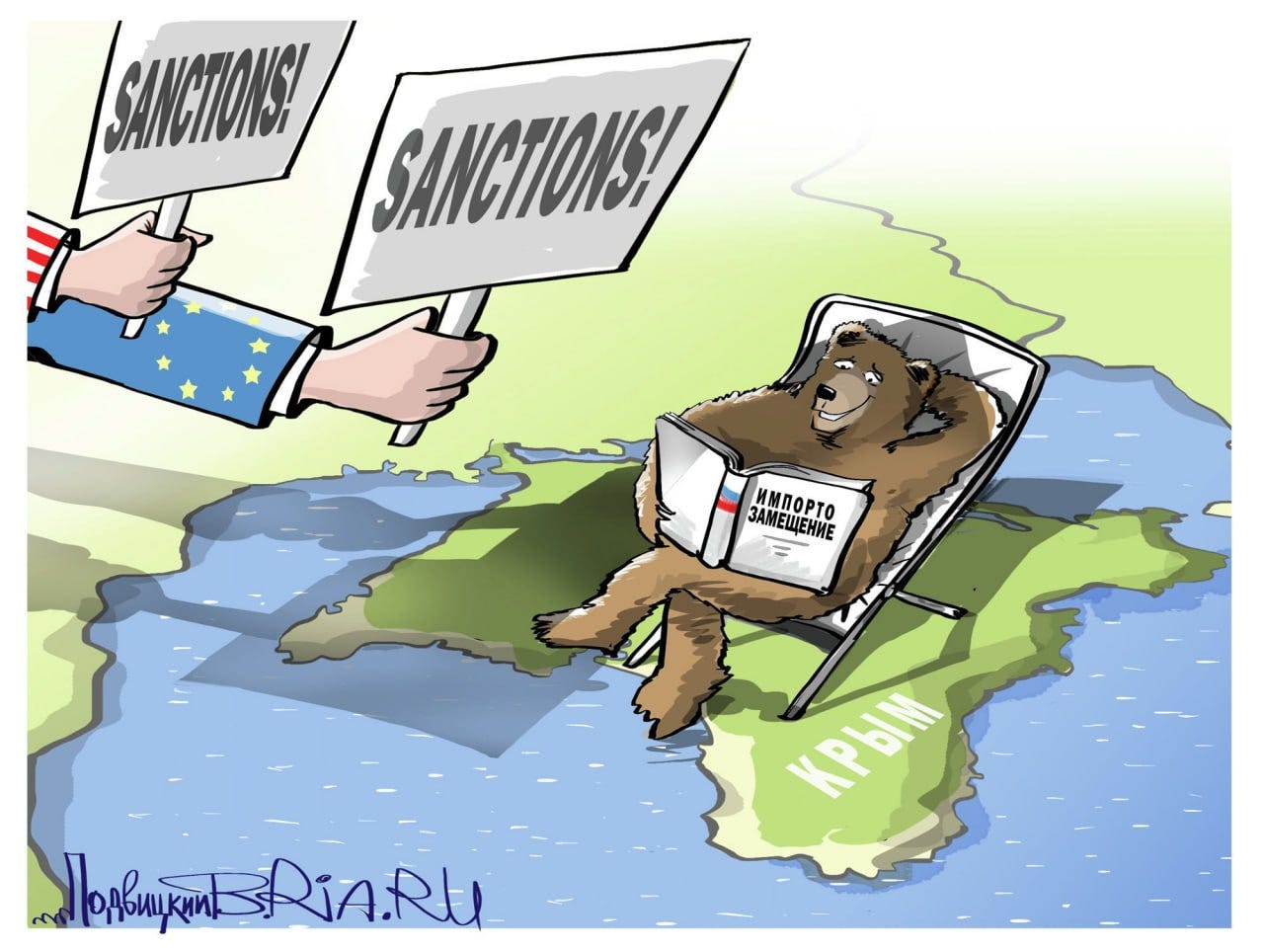
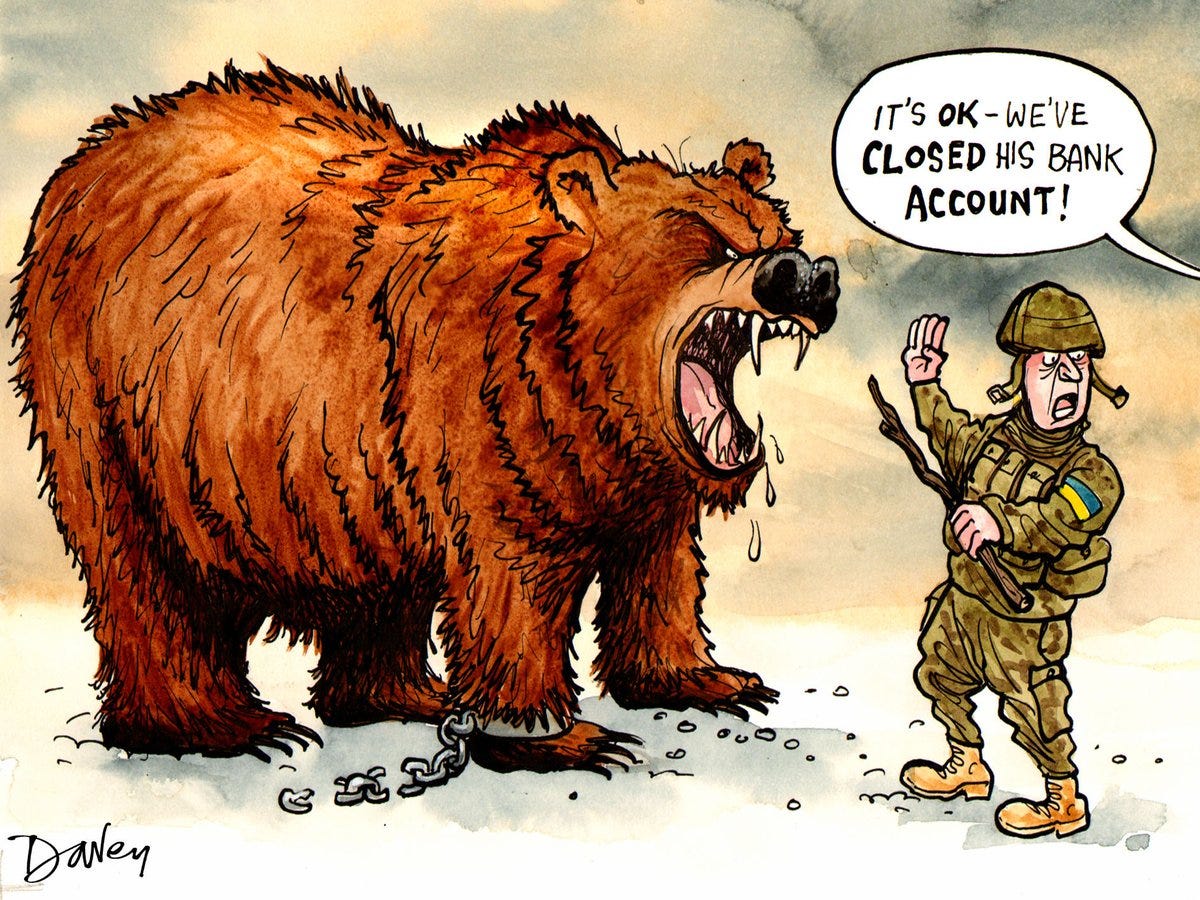
EU leaders arrogantly claimed that the sanctions against Russia and the exclusion of Russia from the SWIFT system (international financial clearing system) would bring Russia to its knees. But bears don't have knees 😊. Slovak Prime Minister, Robert Fico put it nicely[»]: “Russians kneel only because they tie their shoelaces.”😊
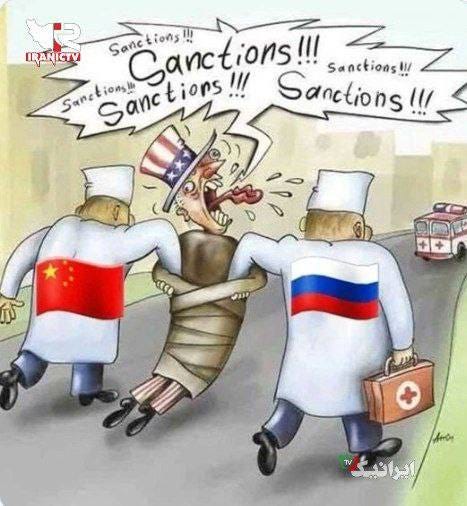
So, they planned to bring the Russian economy to its knees, and through through sanctions, they envisioned Russian political elite would then overthrow Putin, as if Russian political elite is so dumb to comply to their wishful thinking. If anything, sanctions have turned them more against the EU and towards Putin as they can understand more why Putin is against the senseless EU officials who are too dumb to realize that sanctions are only making Russia stronger and the EU weaker. By the end of 2025, EU’s losses from sanctions against Russia were estimated[+][+][+] at almost €1.6 trillion. By October 2025, they issued[+] 19 sanction packages and still haven’t grasped the counterproductive effects[+]. You know what they say about doing the same thing over and over again, and expecting different results, yet von der Leyen be like “When you fail 18 times … don’t give up! 19 is the charm!”😊 As we watch events unfold, we are reminded of the wisdom of Mike Tyson, who once said that “Everyone has a plan, till they get punched in the mouth”😊. Turns out, Russia’s economy runs on vodka...and spite😊. The effect of anti-Russian sanctions on Europe in 10 seconds[»].
Meanwhile, the effects of sanctions are hitting much more the EU[+] and Ukraine[»], as their industries are dependent on Russian cheap oil. Russian Lukoil and Rosneft are suppliers to Hungarian and Slovak refineries, which provide fuel also to Ukraine.
In the midst of war and draconian sanctions (by mid-March 2025, 28.595[+] sanctions against Russian individuals and legal entities, by mid-July 30.159[+]), Russia has advanced from the upper-middle-income to the high-income category on the strength of its economic growth, according to the World Bank’s annual national income rankings[+]. They also reported increases in both real (3.6%) and nominal (10.9%) GDP, and Russia’s Atlas GNI1 per capita grew by 11.2%.
In 2022, Russia recorded its highest ever account surplus, due to two reasons: Russian exports value increased as a result of growth in global prices for raw materials because of Western sanctions on Russia, and a record-breaking trade surplus[+][+] (higher exports, lower imports) and in 2025, it become the top 3[+] countries in the world – also because of Western sanctions on Russia.
While imposing sanctions on Russia, the West has helped Russia gain higher profits from its exports and a greatest trade surplus ever, which has helped finance Russia’s SMO2! Foolish West keeps on sanctioning Russia and so finances Russia's war machine! In 2023, the US, UK, India, and France had the worst trade deficit in the world[+]! In 2023, Russia was in the top 7[+] in trade balance ranking and in 2025, it surged to the top 3[+] position, behind China and Germany. Russia is rocking! The sanctions are clearly working. God bless the sanctions, Russians say.
That one hurts … is that why Merz is so angry?
In 2024, Russian exports increased by 18%, reaching $330 billion despite Western sanctions. The largest buyer was China with 130 billion dollars (oil, gas, coal). India, which previously ranked 12th, is now the second largest importer and is actively purchasing Russian oil. Trade growth was also recorded with Israel, Turkey, Egypt, Brazil, and Armenia. The EU remains the third partner with a turnover of 67,5 billion euros (€36B Russian exports to EU and €31.5B imports). Exports from Russia to Europe have decreased (in 2023, ~€48 billion) but have not disappeared: Germany purchased goods worth 9.5 billion dollars, France and the Netherlands 6 billion each. Hungary increased imports by 31%, maintaining close ties with Moscow.
For comparison, EU imported €24,5 billion ($11,5 billion less than from Russia) worth of goods (agricultural products and iron/steel) from Ukraine in 2024, plus non-repayable grants totaled around €18.7 billion that year. In other words, in 2024, EU paid ~€43 billion to Ukraine and €36 billion to Russia.
In 2023, Russia imports totaled ~€48B, while Ukraine saw ~€30B imports plus ~€12B grants (~€42B total). For 2022, Russia imports reached ~€140B amid early energy flows, dwarfing Ukraine’s ~€15B imports and ~€3B initial grants.
EU’s total payments to Russia for imports summed ~€224 billion over 2022-2024 (€140B in 2022, €48B in 2023, €36B in 2024). For Ukraine, combining imports and non-repayable grants totaled ~€103 billion (€18B in 2022, €42B in 2023, €43B in 2024). In other words, throughout the war, EU countries have financed Russia more than they have financed Ukraine.
In other words, throughout the war, EU countries have financed Russia more than they have financed Ukraine. The turnover with EU of 67,5 billion euros consists of €36B Russian exports to EU and €31.5B imports.
The declining EU economy is in recession, above all Germany's economy, which is based on industry that used to profit from Russia's cheap fossil fuels. “Germany is sinking like the Titanic” said[»] Alice Weidel, leader of the most popular German party AfD. Germany, once Europe’s industrial engine, is crumbling under energy suicide and self-imposed sanctions. German cities can’t even afford Christmas lights any more[»][+]. After cutting itself from Russian natural resources by imposing sanctions on Russia, the German economy fell into recession and has suffered from deindustrialization and other self-inflicted damage. A classic case of shooting yourself in the foot and then complaining about the limp😊. Oopsie daisy!
Despite being the most sanctioned country on the planet, Russia's economy is better than Germany’s[+][ꚛ] and all the other countries in Europe (not just the EU but also better than in Switzerland, the UK, etc.)[+]. German “experts” thought it was a good idea to sanction Russia and so to drive it to sell its cheap gas to Asia instead of Germany and Europe, making Asian industries thrive while producing cheaper goods. Due to competition from Asia and higher energy costs, which make the German production unsustainable, production capacity scaled back significantly – such as with Duisburg’s Thyssen Krupp Steel[+]. Europe is paying a huge price for sanctioning Russia. Hungary alone lost 19 billion Euros in 3 years because of sanctions[»].
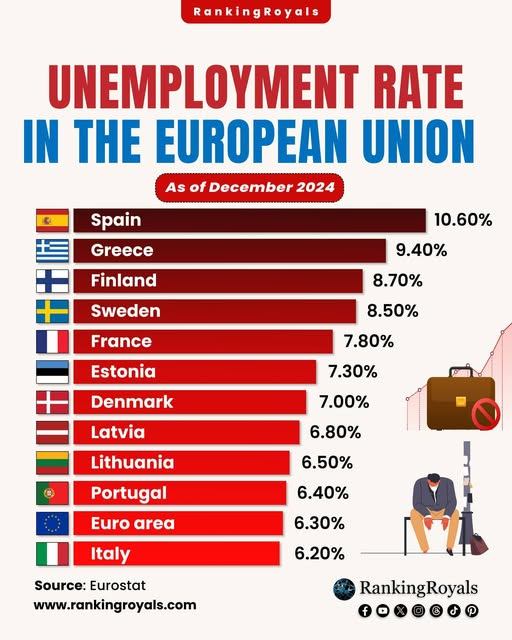
As of December 2024, the unemployment rate in Russia was 2.3%[+]
In October 2025, The Financial Times finally said[+] the quiet part out loud: Germany is collapsing – and the EU helped push it off the cliff. German output is crashing. Energy prices are unlivable. Bureaucratic strangulation kills investment. Steel plants are closing. Car factories are shrinking. And while Merz beats the drum for a forever war in Ukraine, what was Berlin’s lifeline – Nord Stream pipeline is blown up by US-funded Ukrainian saboteurs, ruined with a shrug while Brussels and NATO pleaded the fifth. The so-called “sick man of Europe” is sick again, but this time, the disease isn’t inefficiency. It’s economic suicide engineered by unelected EU elites and enforced by obedient puppets like German Chancellor Merz. The result: revolt. AfD party surges thanks to Merz. Germans are waking up. They see who hollowed out their economy. It wasn’t Russia. It was their own leaders in Brussels and Berlin, marching to Davos drumbeats.
In early 2025, upon Trump being re-elected, the Western countries started to sanction each other with huge tariffs[+][»][+], which has a devastating effect on their economies pushing them further into decline. Russia, China, and their allies did not have to do anything but sit and watch how their rivals in the West self-destroy themselves.
Russian Prime Minister Mikhail Mishustin told[+] lawmakers in April 2024 that the Russian economy is growing while becoming less reliant on oil and gas exports (less dependent on the export of the raw materials).
✅ The government’s revenue is increasing, allowing Moscow to finance growth and development projects, and to meet social obligations. The federal budget income surpassed 29 trillion rubles ($314 billion) in 2023, a rise of almost 5% compared to 2022. Russia’s GDP increased by 3,6% in 2023, more than double the average growth reported by most developed nations over the same period, which amounted to 1,6%.
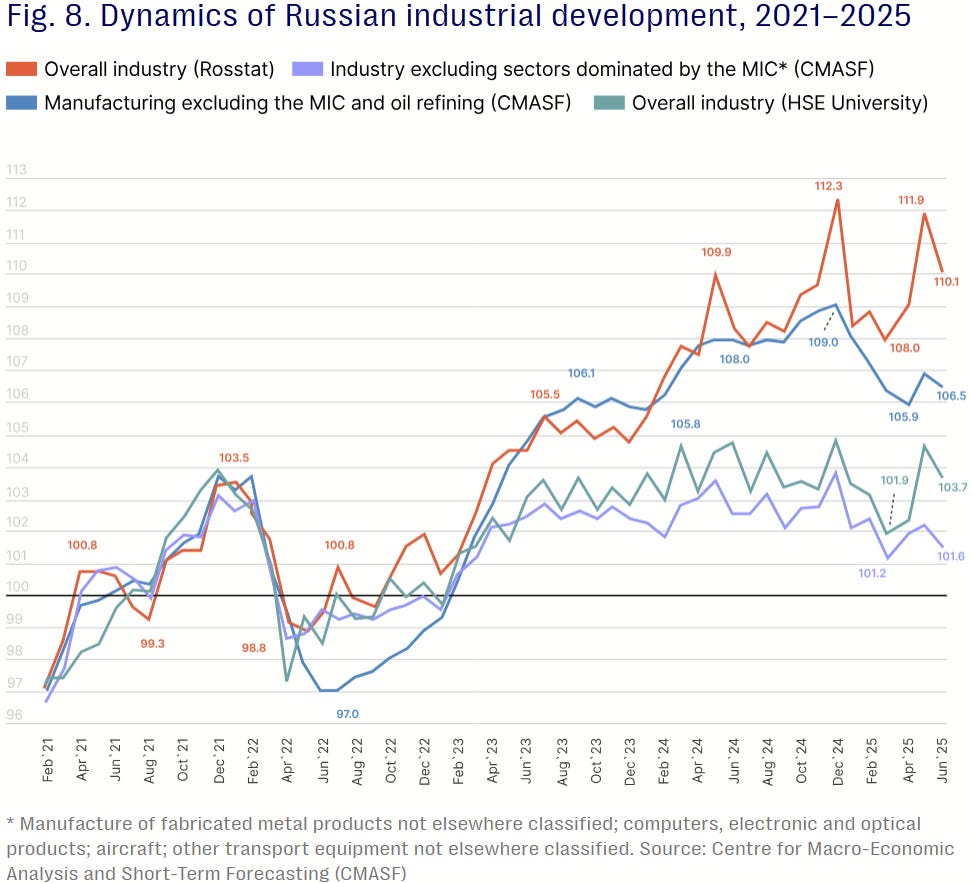
✅ Total industrial output and the manufacturing sector demonstrate growth. Russia manufacturing output in 2022 increased 22.9% from 2021 and kept being higher than pre-war (8.2% in 2023), according to macrotrends[+].
✅ The unemployment rate was cut by half by the end of 2023 decreasing to 3%, and in June 2024, it was down to 2%[+], when Putin said[»] that 15-20 years ago it was hard to find a job and now (under his great leadership) it is hard to find personnel. In December 2025, it was 2.2%[+].
✅ Russia also witnessed record high investments in 2023, which grew by 10% and reached the highest level in 12 years. Inflation was reduced from 11,9% to 7,4%. The nation’s debt is at 17% of GDP, which is far lower than in the West.
✅ The external debt of the Russian Federation decreased by 17.7%, or $68.2 billion, over the course of 2023 – as of 1 January 2024, it decreased to $316.8 billion. Moscow has also managed to circumvent a trade blockade imposed by the West in a form of sanctions.
✅ Russia’s trade volume with “friendly nations” surpassed $548 billion in 2023, which was roughly equal to the turnover Russia had with the whole world, including the Western nations, in 2019.
With all these developments, clearly, God is on Russia's side. And with all these developments, in particular Russia's economic and also societal resilience, clearly, everything we have been told for years about the allegedly weak and poor Russia was nothing but lies. So, the way that Russia is described to us – as a rigid neo-Stalinist autocracy – is false. And we should remove from power and punish all those Western propagandists who have been deceiving us.
Russia’s economy isn’t bulletproof but it has proven to be unexpectedly resilient. Mean Russophobic pundits gleefully forecast Russia's doom after the Ukraine war ends, banking on slashed military spending – its economic engine since 2022 – to spark a recession. But the Kremlin’s got a few cards up its sleeve to keep the economic bear twirling. Russophobes are betting on a drop in Russian military production to trigger a recession but they’re no Nostradamus! Their gloomy predictions are more wishful thinking than crystal-ball accuracy.
While a slowdown in military production might bruise Russia’s GDP, the economy isn’t exactly a one-trick pony. Any economic downturn could be offset by gains from new agricultural and mineral resources from occupied Ukrainian territories and reconstruction boom, which will turn rubble into rubles, plus Russia’s new Arctic treasure chest might just be a frosty goldmine, too. Add to that a tourism revival, a tech sector reboot luring global investors, and bumper grain exports to hungry markets, with farmers in tractors, not tanks, keeping the economy bloom – ka-ching! Moreover, a warm hug from new BFFs and Russia’s savvy geopolitical swagger, with BRICS and SCO trade deals, the Power of Siberia 2 pipeline, and Middle East tensions spiking global energy prices, might just keep the economic bear dancing. So, while Western and Kyiv doom-mongers dream of Russian crash, Putin’s playbook could still have a few plot twists left.😊
Russia’s economy is so bad since the sanctions in 2022 that real wages grew at a rate 3x higher than the West, real disposable incomes grew at a rate 3x higher than the West, the ruble rose against other currencies, and it’s debt/GDP level is lower than almost all of the West[+].😊
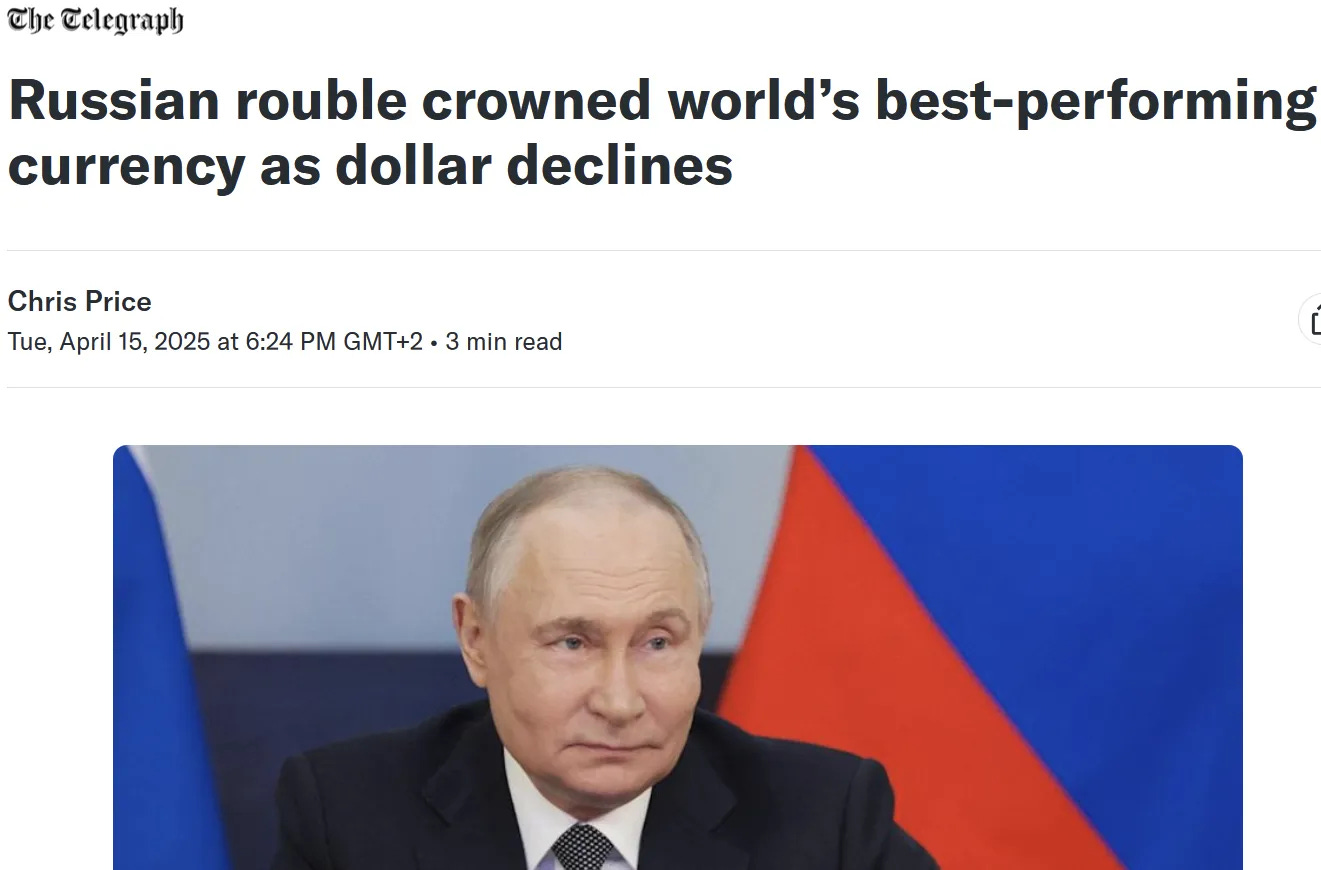
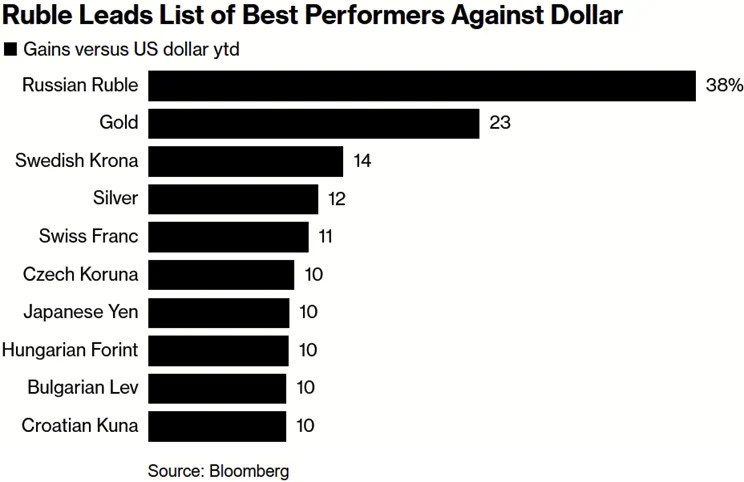
✅ Russian ruble has been crowned world’s best-performing currency almost every year – in May 2022[+], in November 2023[+], and again in April 2025[+], as dollar declined. The ruble gained nearly 40%[+] and then 45%[+] (USD/RUB started 2025 around 113 and got to near 81[+]) against the dollar in 2025, according to data compiled also by Bloomberg[+] that also reported[+][+] that the Russian ruble has become the strongest-performing currency of 2025 and was one of the top five best-performing global assets (of course, anti-Russian Western globalists/neocolonialists had to spin it that this could become a threat for the Russia’s economic stability😊)! This means that US dollar or the US lost 31% value to Russia – currency appreciation and depreciation aren't symmetric due to the reciprocal nature of exchange rates (when the ruble gained 45% against the dollar, it could purchase 45% more dollars, but 1$ could buy roughly 31% fewer rubles). Remember when in March 2022, Biden claimed[+] that the ruble was reduced to rubble? Just a month and half later it was his dollar that was reduced to rubble! Or, dollar is a faller! Proving the Bible's Proverb 26:27[+] to be true: “Whoever digs a pit will fall into it; if someone rolls a stone, it will roll back on them.” Looks like Putin got the last laugh!
✅ Russian banks made a record profit[+] in 2023 despite the war and all the draconian sanctions against Russia! Russia banks’ profits rose in 2023 not just a little but 16 times compared to 2022 when the profits also rose 90% compared to 2021! 2023 boom was driven by demand for discount mortgages[+] and loans to finance large business acquisitions[+]. Russian businesses have been buying up assets from international firms that left the market. As it turns out, this is what happens when a country leaves the Western financial system and is able to function optimally. The benefits of national sovereignty. The right to freely develop own economy and markets independent of foreign control or interference.
✅ Russian average monthly salary increased by 22%[+] in December 2024 compared to December 2023, despite all the draconian sanctions and war – wage growth hit 16-year high. Looking at the full year of 2024, the average monthly nominal wage in Russia increased by 19.3%[+] compared to 2023. At the same time, in 2024 compared to 2023, salary in the EU rose by 5.0%[+], in the US 4%[+] and UK 6%[+].
✅ Russian energy giant Gazprom made a record profit[+] in 2024 with a net profit of ₽1.22 trillion ($14.8B). It’s the sixth-largest ruble profit in 25 years, driven by rising gas exports to China and favorable currency effects. The Iran-Israel/US war in June 2025 has increased China's interest in building Russia's Power of Siberia 2 gas pipeline, as Beijing is unsure about the reliability of gas and oil supplies from the Middle East and is considering alternative options, The Wall Street Journal reported[+], citing sources close to the decision-making process in the Chinese government.
The worsening situation in the Middle East in 2025 led to a jump in oil prices, which naturally resulted in higher oil and gas revenues for Russia.
✅ Russian oligarchs made a record profit[+] in 2023 despite the war and all the draconian sanctions against them (by mid-March 2025, 28.595[+] sanctions against Russian individuals and legal entities, by mid-July 2025, 30.159[+])!
The collective net worth of Russia’s richest persons has soared by $72 billion to $577 billion in 2023, despite unprecedented sanctions pressure, according to Forbes annual World’s Billionaires List[+]. Vagit Alekperov, former president of Russian oil giant Lukoil, leads the ranking as the richest Russian businessman – despite him being sanctioned by the West, his fortune has risen from $20,5 billion to $28,6 billion. Second-placed Leonid Mikhelson, a co-owner of Russia’s second-largest natural gas producer Novatek, had his wealth increasing by $5.8 billion to $27.4 billion. The number of Russian billionaires rose by 15 over the past year to 125 – Forbes says.
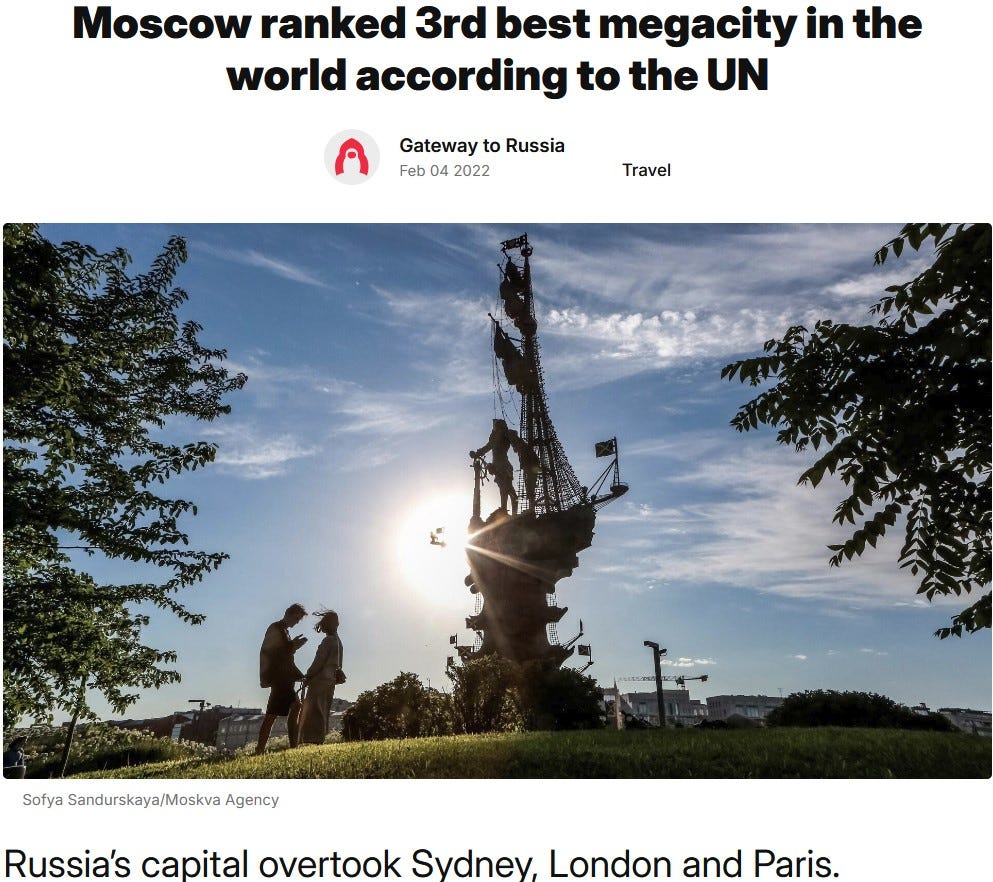
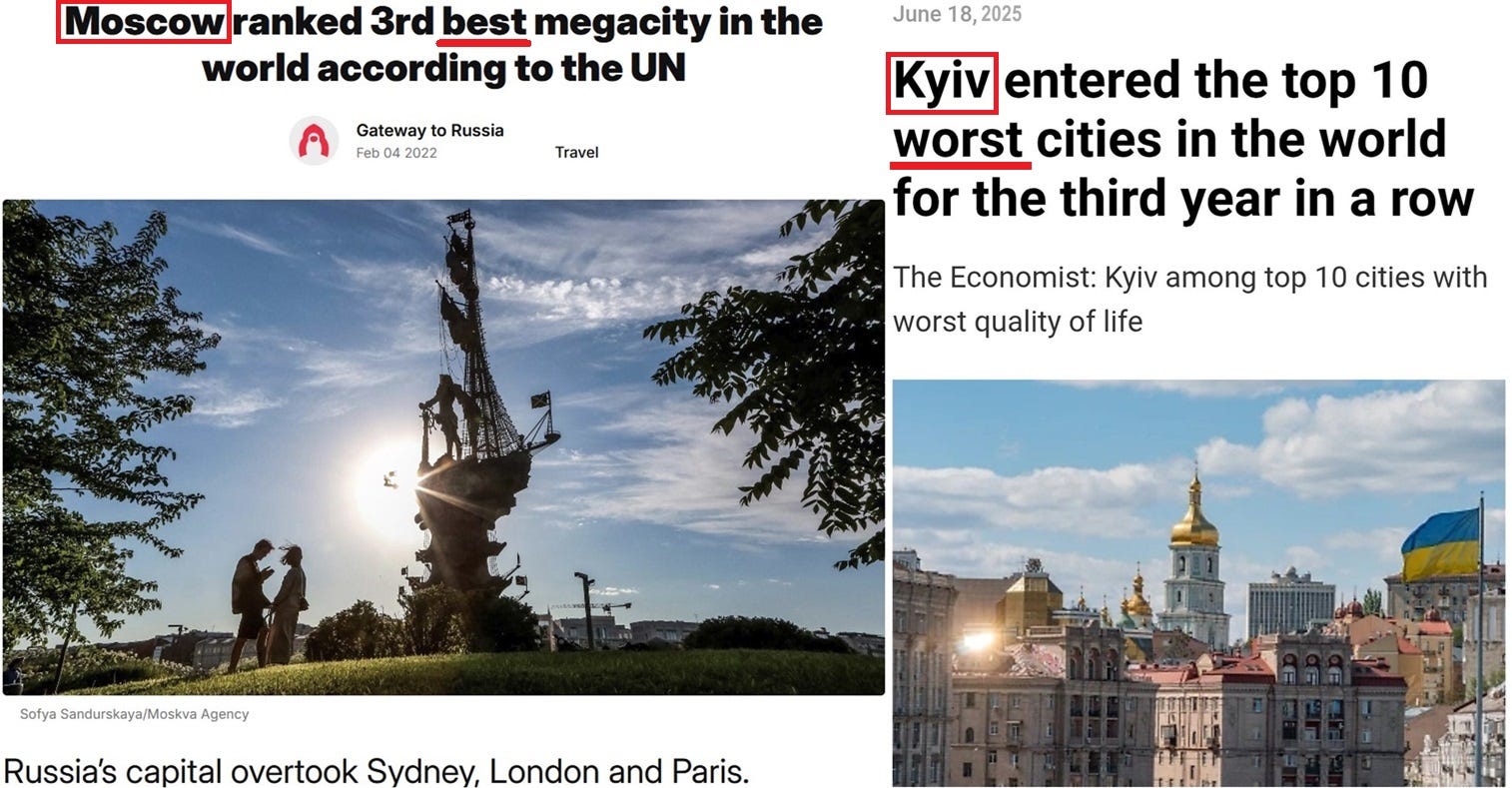
In 2024, Moscow was ranked[+][+] second in the world in terms of the number of billionaire residents. There are 74 billionaires in the capital – 12 more than in 2023. The first position was taken by New York with 110 billionaires – 9 more than in 2023.
✅ Russia became the first in the world wheat exporter and world’s fourth largest agricultural exporter. Revenue from such exports on the global market amounted to $43,5 billion. This is the first time in the Russia’s history that the agricultural sector has achieved such results. Russian food exports have been growing at a rapid pace.
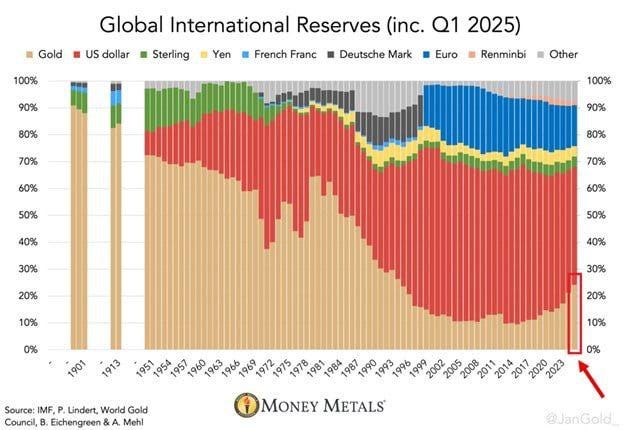
✅ Russia's international reserves increased to $769 billion[+] (from $630 in January 2022), including its gold reserves record levels, hitting a total of over $326 billion[+] in December 2025. International reserves are highly liquid foreign assets held by the Bank of Russia and the government, consisting of foreign currency, special drawing rights, a reserve position with the IMF, and monetary gold. As for gold reserves, Russia ranks fifth globally[+], with gold making 37% of its total foreign exchange reserves. In January 2026, the value of the Bank of Russia’s gold holdings has increased by more than $216 billion since February 2022, generating gains on a scale comparable to the sovereign reserves frozen in Europe, according to Bloomberg calculations[+].
The US remains the largest holder of gold reserves, with approximately 8.133 tonnes, Germany has 3.350 tonnes, Italy and France follow, each holding over 2.400 tonnes, followed by Russia with over 2.300 tonnes and China with almost 2.300 tonnes, as of Q2 of 2025[+].
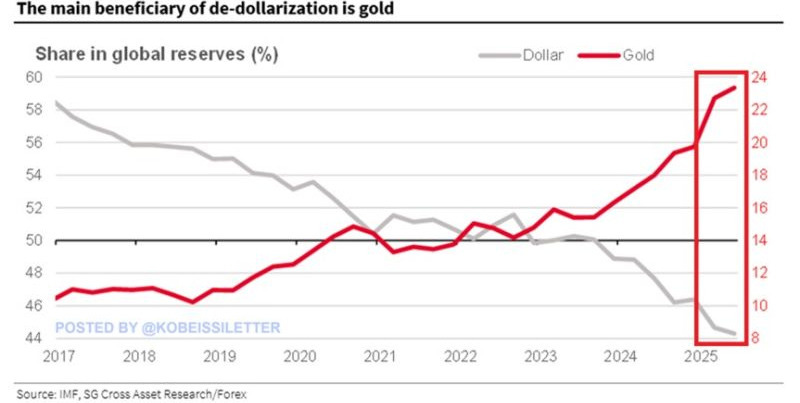
Economic uncertainties and geopolitical tensions have prompted central banks to increase their gold holdings as a safeguard against financial volatility. Therefore, dollar continues to lose its status as the key reserve currency. Its share in global reserves has dropped to 42%, while the share of gold continues to grow.
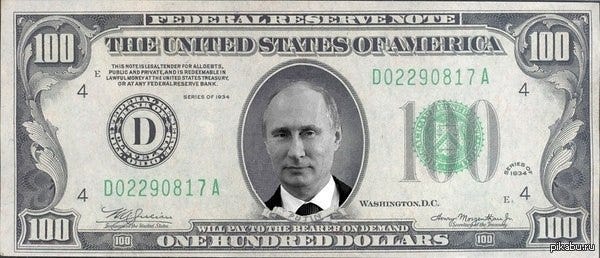
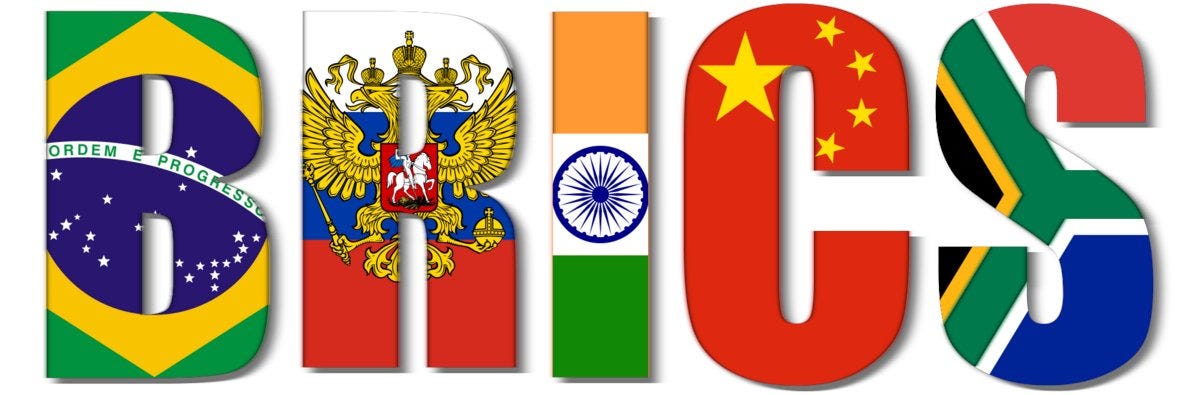
✅ The BRICS+ growth and expansion[+]– the economic alliance of Brazil, Russia, India, China, South Africa, which aims to rival G7 countering Western hegemony, has grown greatly during the war doubling from 5 to 11 members plus additional 10 partners in short time. As of July 2025, BRICS+ has 11 member countries (Brazil, Russia, India, China, South Africa, Saudi Arabia, Egypt, United Arab Emirates, Ethiopia, Iran, and Indonesia) and 10 partner countries (Belarus, Bolivia, Kazakhstan, Cuba, Malaysia, Nigeria, Thailand, Uganda, Uzbekistan, and Vietnam). Egypt, Ethiopia, Iran, and United Arab Emirates joined as full members in January 2024 and Indonesia in January 2025. There are many other applicants[+][+] and many more expressed an interest in joining. BRICS emphasizes emerging economies and Global South cooperation, while the G7 (Canada, France, Germany, Italy, Japan, United Kingdom, United States) centers on once advanced industrialized NATO nations and their major ally/colony Japan[»]. As of July 2025[»], BRICS+ is accounting for one-third of global landmass, nearly half the world’s population, and 40% of the global economy with its combined PPP GDP then exceeded $77 trillion, with partners GDP is $93 trillion[+]. G7, on the other hand, represents only 10% of the world population. And if we count the 10 BRICS partners, that would total 54,6%[+] of world population. BRICS represents about five times the world population share of the G7, underscoring its role in amplifying voices from developing regions. In November 2024[+], BRICS+ countries collectively accounted for approximately 35% (or with partners, 41%[+]) of the world's GDP PPP, toppling the G7's 30%. The G7 had 1,9% growth in 2024 while BRICS had 4,9%. Between 2000 and 2023, BRICS+ expanded its share of global merchandise exports from 10.7% to 23.3%. There is no official BRICS currency or banknote just yet but a symbolic BRICS+ banknote[»][ꚛ] unveiled at 2025 SPIEF. Meanwhile, the UK has notes[ꚛ] with the face of a man who said he wishes he was a tampon[+][+]😊.
BRICS+. Status September 2023 — blue: members states, orange: 15 applicants, yellow: 25 expressed an interest in joining
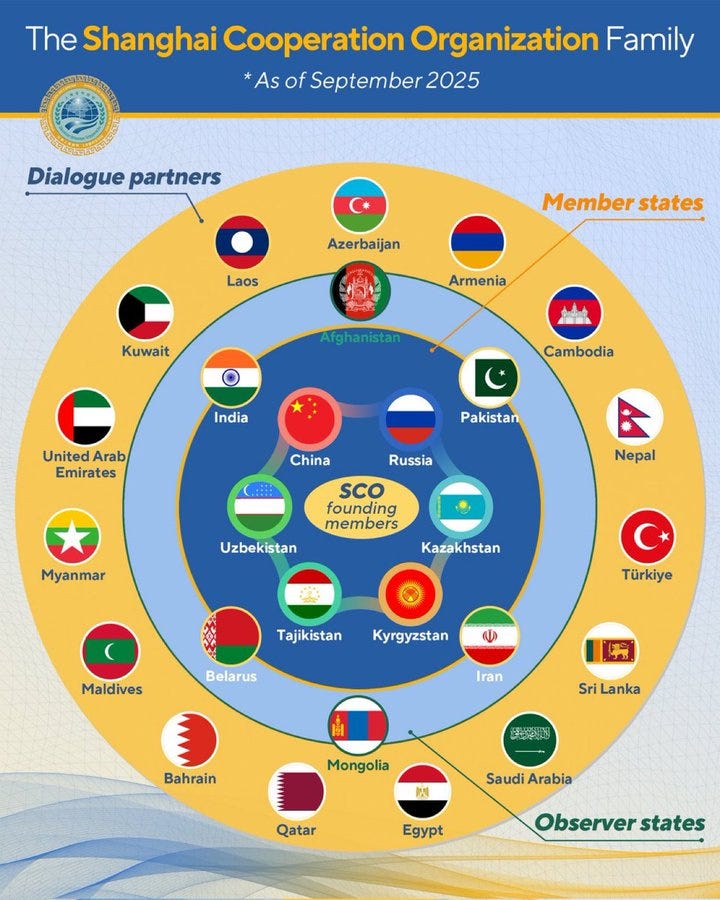
✅ Shanghai Cooperation Organisation (SCO) expanded rapidly – perceived as "anti-NATO" bloc (with China, Russia, Iran…), whereas BRICS+ aims to rival G7 positioning itself as a counter to Western hegemony. BRICS+ is the economic engine for Global South empowerment, while SCO is the security shield for Eurasian stability. While BRICS+ evolved from an economic forum to a broader diplomatic platform emphasizing economic and financial integration for the Global South, SCO originated as a security alliance post-Cold War prioritizing regional security and political stability in Eurasia with intel-sharing, joint drills, and anti-drug strategies, countering terrorism, separatism, and extremism. There is growing interest from the Global South amid geopolitical tensions like US-China rivalry and the Russia-Ukraine conflict but SCO is more regionally focused (Eurasia-centric) as opposed to BRICS+ being globally oriented. The two organizations are complementary yet have distinct roles in reshaping international governance. Differing mandates – BRICS+ global/economic vs. SCO regional/security. Both have 10 full members and additional partners – 4 full members shared (China, Russia, India, Iran).
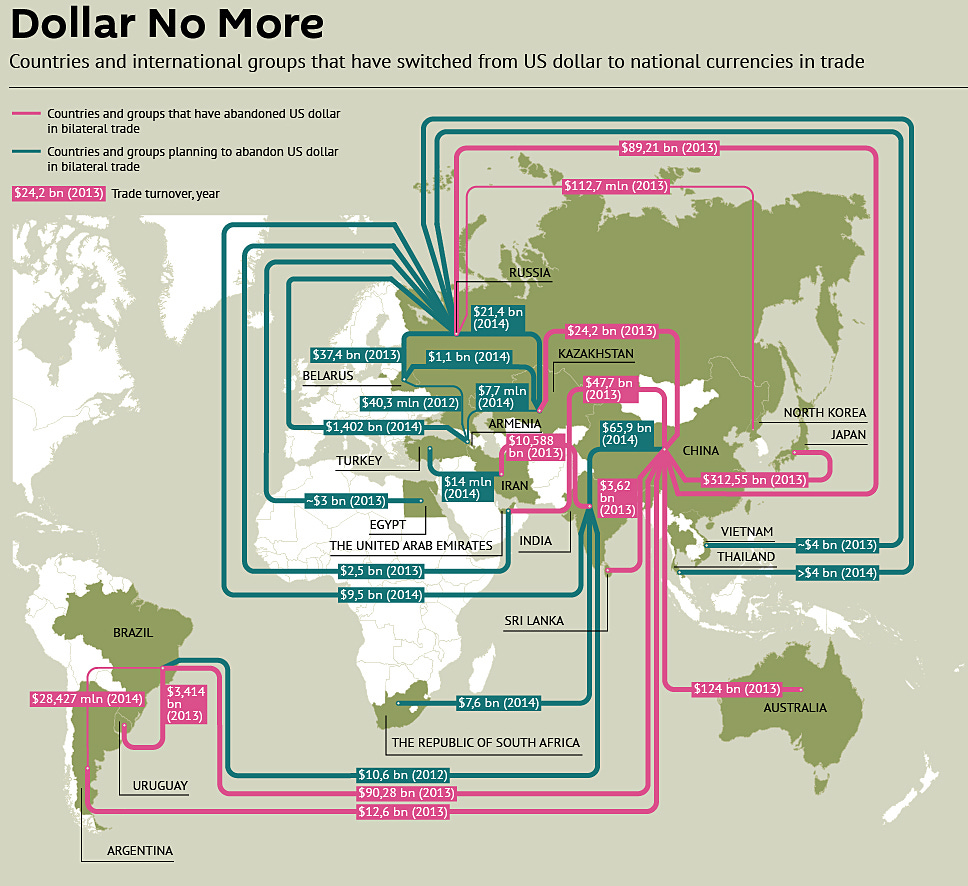
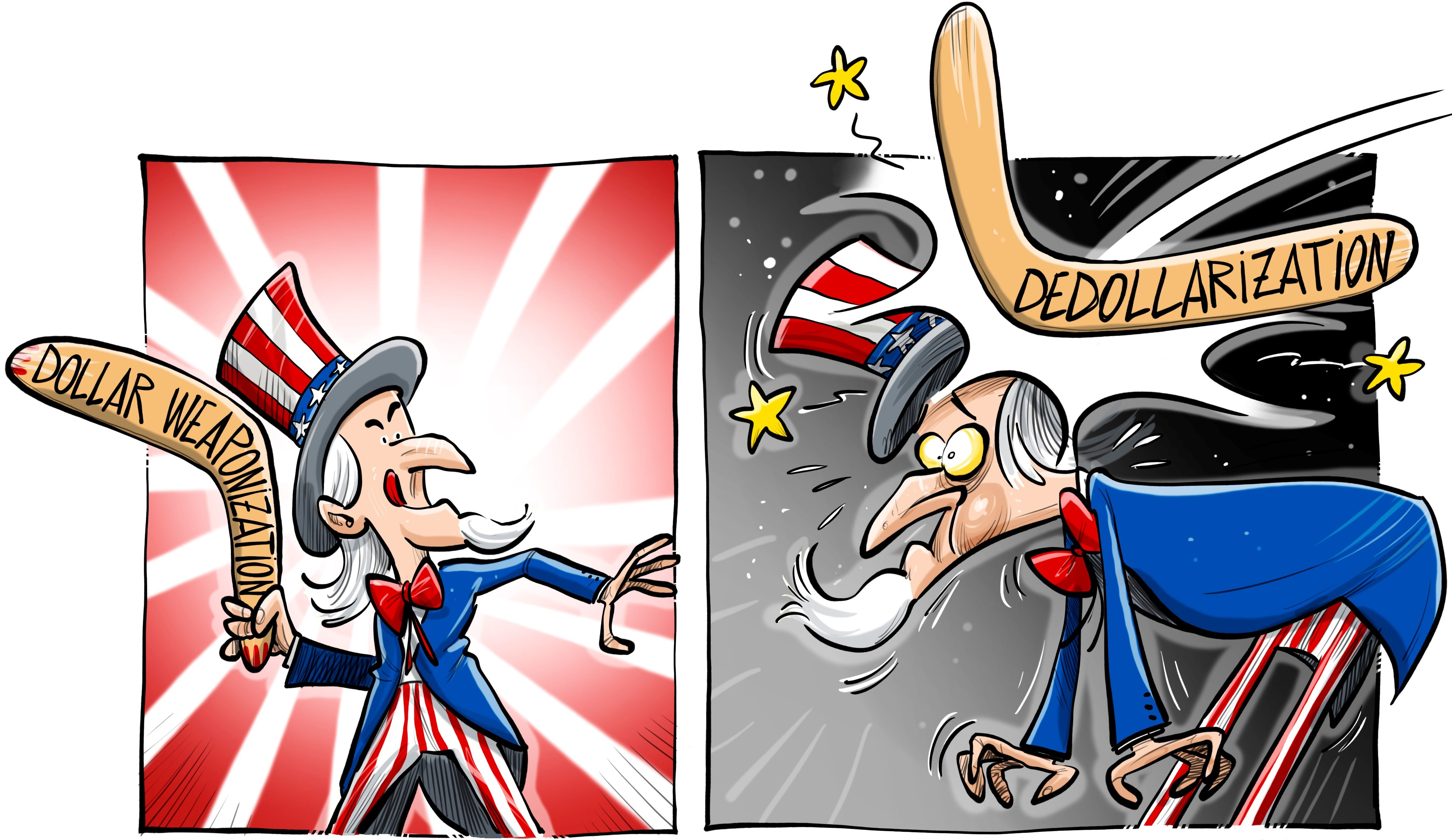
Putin and Russia unintentionally succeeded in that which Libya's President Gaddafi and Iraq's President Saddam Hussein didn't and were killed for[»][+] in 2011 and 2006 (as exposed by Wikileaks’ Hillary Clinton's emails[+][+][+]) – setting a trend of countries reducing reliance on the US dollar as a reserve currency, or medium of exchange, which reduces the sway that the dollar holds over the global economy. This is why the US wants to oust Putin so badly and try to vilify him so hysterically. When the dollar loses its status at the top of the currency heap, the effects on the US economy would likely be dramatic. Borrowing costs in the US might move higher, making it more difficult to gain access to capital and more expensive to do business in the country. In a situation where the dollar is no longer king, the US stock market may also experience a drain in value. Perhaps more significantly, the US has long depended on the dollar’s role as a reserve currency to support running large deficits on government spending and international trade, so, with de-dollarization, the US loses this flexibility. De-dollarization will help level the playing field for economies outside the US, in particular Russia, China, and India. The US has misused the dominance of the dollar as a tool to promote and enforce its economic interests around the world, subjugating or overpowering other countries, which will no longer be possible. US Treasury Secretary[+] counts on that the global economy lacks viable alternatives to the financial architecture centered around the dollar, euro, and yen whereby, as usual by overconfident hegemons, underestimating the rivals such as BRICS+ creating[+] a new reserve currency to compete with the US $ and a blockchain-based payment system.
The US dollar began to displace the pound sterling as international reserve currency from the 1920s since it emerged from the WWI and WWII relatively unscathed and since the US was a significant recipient of wartime gold inflows. The Bretton Woods Agreement of 1944 established the post-war international monetary system, with the US dollar ascending to become the world's primary reserve currency for international trade.
US went ‘overboard’ in weaponizing dollar with sanctions, pushing more countries around the world to slash transactions using the currency, Elon Musk has warned[+].
“We are not pursuing de-dollarization. We were denied the ability to transact in dollars. We are simply forced to look for other options… The U.S. is pushing this process forward through its own careless, unprofessional, and foolish actions.”[»]“We did not refuse nor fight the dollar, we were forbidden to use it … so we must look for alternatives”[»] – Putin essentially blames the US for the de-dollarization.
American investor Robert Kiyosaki has declared[+][+] that the "end" of the dollar has come, and hyperinflation will follow.
Brazilian President Lula[»]: “It’s time for the world to move away from using the U.S. dollar in international trade.”
De-euroization – according to SWIFT (Society for Worldwide Interbank Financial Telecommunications – money transfer messaging system) data in December 2024, the Euro's share in trading currency has fallen to a decade-low of 21%[+].
Moreover, we also need to point to de-SWIFTization, as many countries under sanctions are banned from SWIFT, which means that SWIFT is unable to record money transfers of those countries, including currency used. SWIFT data is turning less representative after currencies weaponization as big volume transactions are done outside the SWIFT system.
✅ Western boycott turned into a bonanza for Russia[+]
As hundreds of Western companies exited, their assets became a windfall for Russia’s loyal elite and the state itself. Zelensky urged them to do it as he inexpertly falsely predicted that it would help strangle the Russian economy and undermine the Kremlin’s war effort. This is what happens when a clown is running a show. Turns out, economic warfare isn't a laughing matter... unless you're Russia – Russia has laughed all the way to the bank. It has found not just significant benefits but also humor in what was intended to be a harmful. Turns out, economic warfare isn't as simple as a punchline, Mr. Clownsky😊. Thanks to dilettante Zelensky and his (we can only hope that is the correct pronoun[ꚛ][»][»]) Western backers who convinced, shamed, and sanctioned companies into leaving the Russian market, Western firms that gave up their Russian operations lost $107 billion from Russia exits[+][+]in the form of write-offs and lost profits, placing lucrative enterprises in Russian hands at discount prices and handing over at least $1,25 billion in exit taxes to the Russian state. Government-owned enterprises have acquired the assets of corporate giants like Ikea and Toyota. Russia lost nothing by the boycott as Western companies got into Russian hands and just got rebranded/renamed[»] – e.g. Starbucks has been reborn as Stars Coffee. The Dutch beer company Heineken sold its business in Russia for just $1[+]. Take that, Putin! Now you have suspiciously cheap beer😊?
Strange world of what goes around, comes around. In the 1990's under the Yeltsin, Russian state-owned assets were sold to US and European businessman for 20 cents on the dollar. Now it reversed. Putin has overseen one of the biggest transfers of wealth ever within Russia as huge swaths of industries are now in the hands of increasingly dominant Russian players. As a matter of fact, according to Forbes and Reuters[+] in 2023, Russia got 22 new billionaires. Furthermore, Russia capitalized on Western companies’ violations of contract obligations. For instance, Russia seized[+] more than $1 billion from German firm Linde as an arbitration court in Russia has ruled to confiscate the assets of that firm over its refusal to honor contract obligations to build a gas processing plant. The German firm received an advance payment from a Russian firm RusChemAlliance (RCA) in 2021 but, after the EU launched its sanctions campaign against Russia over the Ukraine conflict, the company suspended the work, citing EU restrictions. According to the court, work under the contract did not fall under EU sanctions.
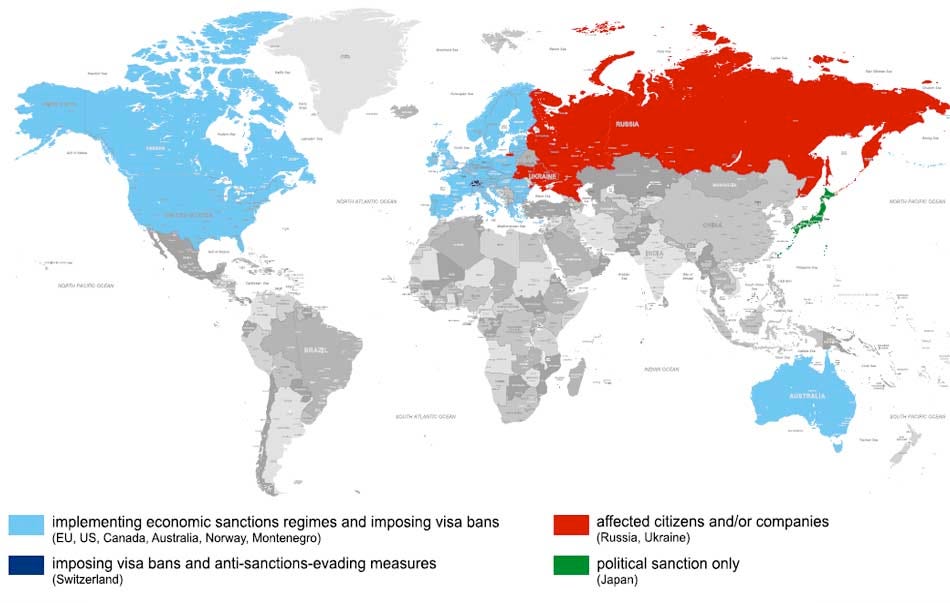
✅ Western sanctions (30.159[+] sanctions against Russian individuals and legal entities) are hurting more the West[+][+] than Russia (it profits from it), which disabled the West to fund the war in Ukraine and enabled Russia to win the war. Russia is effectively circumventing sanctions by selling oil above the price cap or importing western chips for its drones and missiles. 87%[+][+][ꚛ] of the world – 163 countries refused to sanction Russia despite major NATO coercion.
Also, due to all the restrictions in the West, Russian experts are contributing to Russia, rather than to the West. No more brain drain, just brain gain😊!
✅ West “froze” or stole Russian assets, but then Russia had the legal right to reciprocate by taking Western assets[+][+] which are estimated to be higher in value, so Russia either won the sanctions poker game or at least broke even while the West played itself. The West thought it was playing 4D chess by dipping into the cookie jar while pretending it's just a timeout, but Russia had the receipts: legal reciprocity rights to grab Western assets in return. The biggest losers are those foolish Western thieves who assumed they could pull off the heist of the century and get away with it. It's like trying to steal someone's wallet only to find out they already lifted yours, and yours had more cash😊. Putin didn't mince words: he dubbed[»][»] it · Western robbery rather than plain theft, because theft is done in secret and robbery is done openly (with press releases and moral lectures to boot). Imagine your bank suddenly deciding to “hold” your savings because you fight with your neighbor. Belgian MP Tom Vandendriessche called[] it the largest robbery in history – probably while wondering if Euroclear needs a new slogan: “Where your money goes… and never comes back.”😊
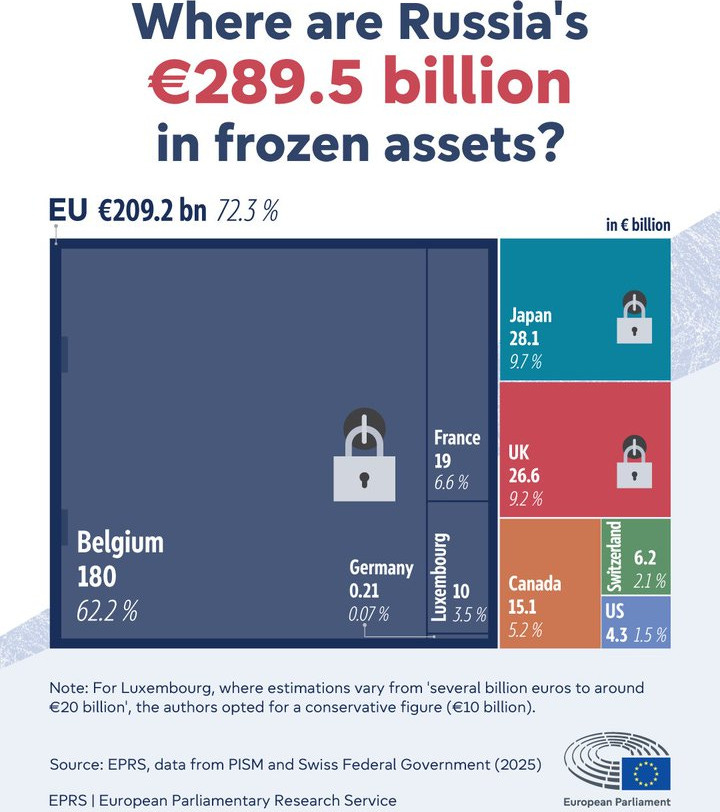
To be precise, G7 countries, the EU, and Australia froze roughly $340 billion / €290 billion in Russian central bank assets abroad (most of it in the EU – about $244 billion / €209 billion in the EU, nearly all parked at Belgium’s Euroclear, the financial safety deposit box). That covers blocked[+] gold/forex reserves plus yachts, villas, and oligarch pocket change.
But here’s the cosmic joke: whatever Russia “lost” on paper from the freeze, it more than made up for in gold-reserve gains. In January 2026, Bloomberg crunched the numbers[+]: the Bank of Russia’s gold holdings ballooned in value by over $216 billion since February 2022, generating gains on a scale comparable to the sovereign reserves frozen in Europe. This was pure windfall from gold prices rocketing from ~$1.900/oz in early 2022 to over $4.800 by early 2026. That’s a dramatic surge fueled by geopolitical chaos, dollar drama, trade-war tantrums, central-bank de-dollarization frenzy, and investors treating gold like the world’s most paranoid security blanket. Russia, the world’s second-largest gold producer after China (mining 300+ tons/year), has long stockpiled the shiny stuff to dodge dollar dependence – talk about timing the market perfectly. Unlike those frozen forex piles (stuck abroad like forgotten luggage), domestic gold stays liquid and monetizable on demand, giving Russia serious financial wiggle room amid ongoing economic pressures.
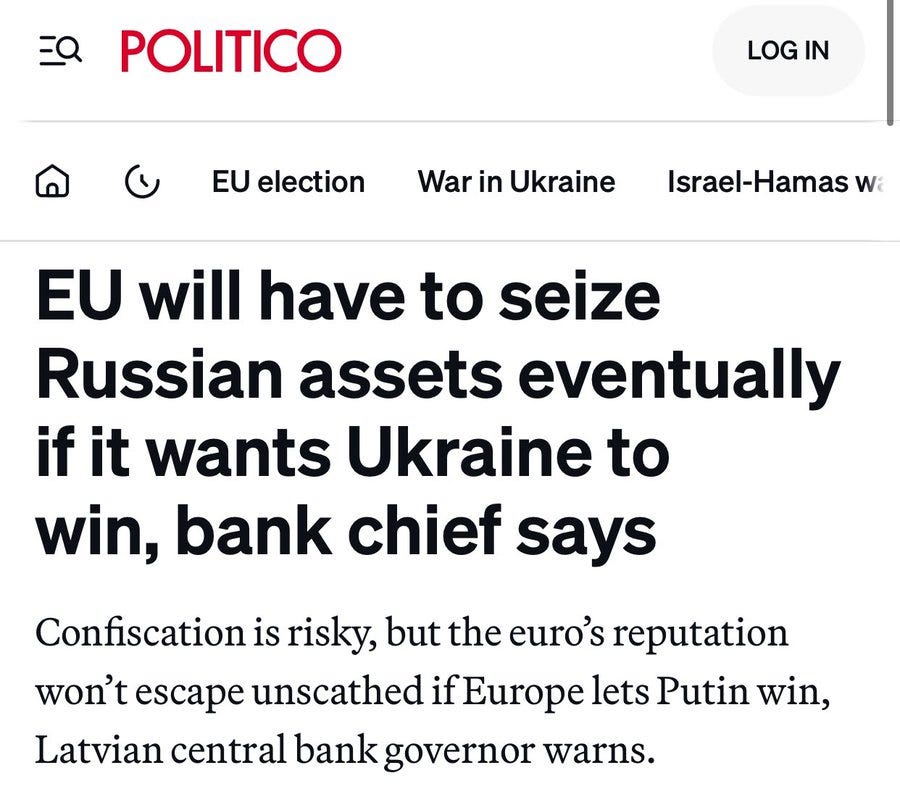
All the toothless EU chatter about not just freezing but outright seizing those Russian assets to hand to Ukraine is mostly hot air by the dumb for the dumb who get news[+] from memes, overlooking Russia retaliating measures. By skimming income from frozen Western investor funds at roughly matching levels net loss for Moscow is at zero. Latvian central bank governor shamelessly claimed (via Politico[+][ꚛ]) that without stealing there’s no winning – so, if you gotta steal to “win,” means you’re the one losing.
While Western lawyers hunted for a legal loopholes to steal Russian frozen assets, Putin casually dropped a decree[+] letting foreigners swap their frozen Russian holdings for blocked Russian assets abroad and so outsmarting the West like a chess grandmaster. Checkmate in one move – call it financial judo😊. Over 3,5 million[+] ordinary Russians with confiscated/stolen[+][+] assets worth 1,5 trillion rubles (~$16 billion) got compensated with slices of Western frozen pie[+] – Putin basically turned lemons into lemonade for his citizens😊.
The oligarch gambit was even funnier – comedy gold: praying for a billionaire uprising, West froze ~$58 billion[+] of their toys (out of their estimated $1 trillion[+] total empire), hoping they’d revolt against Putin. Spoiler: they didn’t. Putin outsmarted the West yet again – turns out freezing yachts doesn’t spark revolutions; it just makes billionaires richer on paper😊. Instead, in 2023 Russian billionaires actually grew richer by $152 billion (total wealth jumping from $353B to $505B), with 22 fresh billionaires added (110 total), as Forbes and Reuters[+] tallied. Some even won in EU courts[+], which is a big blow to the EU’s sanctions regime against Moscow. So much for the “unhappy oligarchs will topple Putin” fan fiction😊.
Russian Duma Speaker Volodin boasted[+] that G7 assets trapped in Russia outnumber Russia’s frozen funds in the West. Western investors’ assets are effectively locked in special so-called type “C” accounts in Russia could face the same fate. It is not clear exactly how much money is in these accounts but Russian officials have said[+] it is comparable to the $300 billion of frozen Russian reserves. Bloomberg wrote that in return, Russia has frozen Western assets in the amount of over $150 billion, adding that many investors are afraid to say that they have investments in Russia, and therefore it is difficult to calculate the exact amount. RIA Novosti claimed[+][+] that direct investments by the EU, G7 countries, Australia and Switzerland in the Russian economy amounted to US$288 billion as of late 2022.
Hungarian FM Péter Szijjártó revealed[+][+] Russia warned Budapest of retaliation if its assets get seized – implying every EU capital got the memo, yet they still shoot their own companies (whose Russian assets are now collateral damage) in the foot for Ukraine’s sake. Noble, but oof.
Ultimate backfire: by freezing Russian assets, they scared off global investors and states from parking money in “safe” Western havens, so they feel safer to do it in Russia! Illegal[+][+][+] seizure (not just freezing) of assets trashes Europe’s “trust us with your money” brand, turbocharges de-euroization/de-dollarization, and pushes the Global South further from Western currencies toward alternatives. So, other countries are less willing to keep money in Western banks due to the risk of confiscations. This will eventually ruin western financial systems because more and more countries will remove their currency reserves from unsafe western states, which will increase the dollar and euro inflation and drive food and energy prices in the west even higher. Seizing (not just freezing) Russia’s assets poses a significant threat to the global monetary system and entails unforeseen risks, which include risks of litigation, countermeasures, and risks to the international monetary system. This implies that once the confiscation is carried out also in the US, it pushes the Global South further away from reliance on the dollar. Also, Russia’s legal rights to the proceeds from its assets could present a sizable financial risk for Euroclear[+]. Belgium-based Euroclear Bank, which hold Russian funds and holds over €37 trillion in assets globally, risks liquidity nightmares from lawsuits if things escalate. Belgium’s Foreign Minister Prévot warned[»] in 2025 that confiscation isn’t viable – legal/financial risks could torch euro confidence and systemic stability. Euroclear (holding €37+ trillion globally).
For years it was “just frozen,” but the EU kept chasing loopholes and other tricks to fully take it all and give it to Ukraine – first for “reconstruction,” then openly for weapons by late 2025. In December 2025, panicked EU officials invoked an “emergency clause” (without any actual emergency) to bypass veto powers of individual countries to seize or indefinitely freeze €210 Billion (~$245 Billion) of Russian assets[+][+] – to lock in the assets under its jurisdiction forever amid fears that the US might seek control of the Russian funds and use them in a future settlement with Moscow to end the war. Russia’s Ministry of Foreign Affairs spokeswoman Zakharova nailed it[+]: using sovereign assets without consent is unlawful and a flagrant violation of international law.
This desperate move and date represents a point of no return (a.k.a. Rubicon), launching[+] the conclusive collapse of the EU, as it officially established dictatorship[+] and ceased to be a trusted financial hub, caused financial retaliation and de-euroization. Imagine someone is in front of the judge for theft and says: “Judge, I didn’t stole the money! I indefinitely borrowed it” – would the judge acquit the person? Taking someone’s property away forever without a court ruling is illegal confiscating … or stealing. From Moscow’s perspective, this asset expropriation is de facto confiscation and theft[+] that could be seen as casus belli[+] (grounds for war), which Hungarian PM Orban also claimed[»] was a ‘declaration of war.’ Post-cheap-Russian-gas de-industrialization, Europe dreams of a service economy – but just nuked its own financial credibility. It’s economical suicide. While trying to harm Russia, they harmed themselves and made Russia greater, which is yet another proof that the Bible proverb 26:27[+] is true: “Whoever digs a pit will fall into it; if someone rolls a stone, it will roll back on them.”
Russia’s central bank demanded[+][+] $230 billion from Euroclear over the mess – threat worked[+], as the EU backed off direct handovers to Kyiv. Couple days later, at the 2025 European Council finale, they settled on €90 billion (~$106 billion) joint loans for Ukraine 2026–2027, backed by EU budget headroom (not Russian assets). Zelensky publicly stated that he has no intention of repaying it, so it is not a loan but a forced EU taxpayer donation, plus ~€3 billion yearly interest nobody asked for. Democracy, EU-style. It is exposed in more detail here[+].
Beyond lawsuits, Russia could seize European assets within its own jurisdiction. An estimated $127 billion[+] worth of US, EU and UK corporate assets remain in Russia. Confiscating or nationalizing those holdings would inflict real economic damage on European companies. Moreover, in late 2025, Russia responded also by nationalizing all European corporate assets on its territory, valued at $120 billion. This effectively wiped out decades of patient investment by giants like Volkswagen, Siemens, Shell, and Carlsberg. As a result Volkswagen had to close[+] production plant in Germany for 1st time in its 88-year history – it survived Germany losing the WWII but not this. By nationalizing corporate assets, Russia is targeting private industry, not the EU government, likely to make powerful European CEOs lobby their own governments to stop the asset seizure.
Since 2022 until February 2025, foreign companies have suffered over $167 billion[+] in direct losses due to their exit from Russia, including write-offs, unfair court decisions, and business seizures – USA: $46.0B, Germany: $44.5B, UK: $35.1B, France: $12.1B... Plus “exit taxes” imposed by Russia have resulted in further financial burdens, with foreign companies paying ~$3 billion. Due to sanctions, ethical concerns, and operational challenges, out of 1.871[+] European-owned entities over 1.300 companies have reduced or ceased their operations – 475 companies fully exited. British BP exited its stake in Rosneft incurring a $25.5 billion loss, German Uniper’s financial losses exceed €22 billion, BlackRock lost $17 billion.
In 2023, the Financial Times published two articles[+][+] identifying that European companies suffered a €100 billion hit from their Russian operations. The heaviest costs of withdrawal with the biggest writedowns and charges are oil and gas groups, where three companies alone – BP, Shell and TotalEnergies – reported combined charges of €40,6 bn[+].
Later in 2024, Reuters journalists confirmed[+] that foreign firms’ losses from exiting Russia had surpassed $107 billion.
In February 2025, Kirill Dmitriev, the head of Russia’s sovereign wealth fund, claimed[+] that US business losses in Russia exceed $324 billion. KSE Institute, an analytical center at the Kyiv School of Economics, denied it by claiming that the total local assets of all foreign companies in Russia before the war amounted to $344.9 billion, with US companies accounting for only $51.5 billion.
In October 2025, Putin signed a decree[+] authorizing the state to seize Western corporate property, rebrand it as “Federal Property,” and use a fast-track 10-day law to sell it to Kremlin-loyalists or sanctioned banks (like PSB) before the original owners can file lawsuits. This mechanism serves as “compensation” for frozen Central Bank funds, allowing Russia to liquidating multi-billion dollar firms through sanctioned banks like PSB in under two weeks.
Moral of the story? West’s grand sanction heist turned into a masterclass in boomerang economics: freeze Russia’s cash, watch gold moon, trigger retaliation, scare investors away, and hand Moscow the moral high ground while your own companies beg for mercy. Classic case of “be careful what you wish for.”😊
✅ Russia has seized half of Ukraine's resources, which has allowed it to fully cover the costs of waging the war. In December 2024, former (2014-2019) Commander-in-Chief of the Armed Forces of Ukraine Viktor Muzhenko said[+] that Ukrainian territory under Russian control with “half of the resource base of Ukraine" would represent a victory for the Kremlin and "fully compensate [it] for its costs of the war." · Russia captured (or Ukraine lost) at least $12,4 trillion[+] worth of energy, metal, and mineral deposits that before the conflict, in 2013, used to generate $43,3 billion a year[+], not to mention all the agricultural profitable land, companies, factories, and industrial zones, as well as around 8 million of tax-payers (Russians collect over $2 billion[+] in tax revenues from four new regions every year) and labor power.
➡ US is going bankrupt – in 2024, at least 686 U.S. corporations filed bankruptcy, 8 percent more than in 2023 and the most since 2010 during the Great Recession when 828 corporations went bust, S&P Global Intelligence and The Financial Times reported[+].
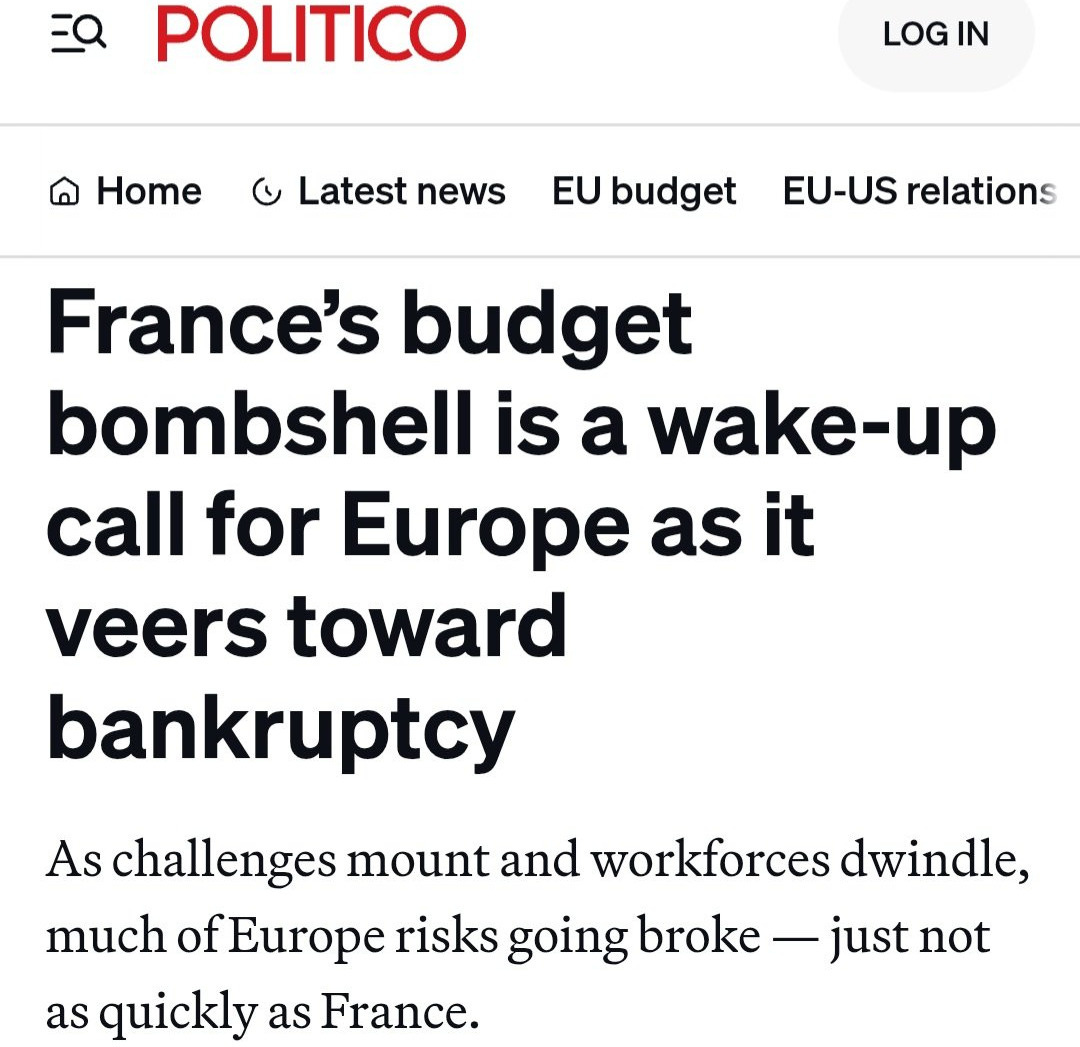
➡ EU is doing worse and worse and may go bankrupt[+][+] – an increasing number of companies in the EU are going bankrupt[+][+] while new business registrations decrease. Problems: self-imposed gigantic increase in energy prices, de-industrialization, accelerating economic decline, uncontrolled migration – immigrants’ crisis, rising crime, woke ideological fanaticism, huge increase in military expenditures, ubiquitous censorship... Germany and France have been the EU’s economic engine but France, the European Union’s second-largest economy, is effectively bankrupt[+][+] drowning in debt[»] (3.5 trillion euros, surpassing 115% of GDP), and Germany is in recession with the German manufacturing sector being rendered uncompetitive[+]. Germany’s once-mighty Bundesbank is losing money[+].
➡ Russian success stories from 2025[+] – As EU leaders lie about Russia’s collapse amid their own collapse, the nation has made strides in numerous sectors: from a transformative gas deal with China (the massive Power of Siberia 2 gas pipeline is the largest gas project on Earth), developing the Arctic Northern Sea Route (NSR trade artery nearly halved typical transit times versus traditional pathways through the Suez or Panama canals), and the domestic jet production of an entirely Russian-made airliner (SJ-100 Superjet and MC-21), to the Intervision Song Contest (free from “censorship” and “perversion,” a rival to shady Eurovision), RT India channel launch (20 yo RT, one of the largest news channels in the world, has faced over 110 Western sanctions to silence it, yet it grew despite it), and RT Editor-in-Chief Simonyan being acknowledged as one of the world’s most influential people by a Western media mogul, the Financial Times. Also, Russia launched a messaging platform MAX (rival to platforms such as Telegram or WhatsApp that facilitate Western intelligence operations), announced a significant upgrade of the cargo port in Mariupol and an extensive high-speed rail network spanning over 4.500 km (connecting major cities across Russia and Belarus with trains capable of speeds up to 400kph, cutting the Moscow-St. Petersburg trip from four hours to just over two), and signed visa-free travel agreements with Saudi Arabia and China (strengthening ties with key global partners outside the West, boosting tourism and business exchanges).
And to top it all for cancer and HIV patients, Russian scientists produced a new AI-assisted, mRNA-based cancer vaccine (that enables the body’s cells to trigger an immune response against malignant tumors, shrinking tumors by up to 80%) and announced progress toward an mRNA-based HIV vaccine, establishing leadership in advanced biomedical technologies.
Russia won the geopolitical war
✅ Russia has depleted[+][+][+][+][+][+] and defeated or dissolved[] NATO, as the former Supreme Allied Commander Europe James Stavridis said “we could be looking at the last days of NATO”. What NATO did to the USSR in the late 1980s, Russia is in the process of doing to NATO that eventually must reap what it sowed.
✅ “Putin has become the leader of the global South”[»][»] – French philosopher Luc Ferry
✅ Over 87%3[+][+][ꚛ] of the world (163 countries did not sanction Russia; 165 did not provide weapons against Russia) is siding with Russia and standing up against the Western hegemony – all the countries that have been harmed by NATO members. NATO only got couple countries to side with them while Russia got the whole world on its side.
✅ The West or NATO got isolated – the West attempted to isolate Russia but it backlashed with them getting isolated. Turns out, they dug a pit for... themselves. They were so delirious digging, they didn't notice they were digging their own grave😊. For instance, Financial Times run an article[+]in July 2024 about “Isolated Germany.” The West has just a few allies (Australia, S. Korea, Japan) that go along with its policies (sanction[ꚛ][ꚛ] against Russia and aid[ꚛ][+] to Ukraine) whereas the rest of the world is either neutral or siding with Russia[»]
As for wishful “isolated” Putin, the opposite is true, as more world leaders came to visit him than any other head of NATO states – Unique Countries Represented by Heads of State or Government Hosted by Putin, Zelensky, and Biden/Trump (2022–2025):
Figures represent the total number of unique countries from which at least one head of state or government (presidents, monarchs, prime ministers, or chancellors) visited the host leader in their capital for any in-person reception, including bilateral meetings, working visits, state visits, or multilateral summits hosted by the leader.
So, who is isolated leader then?
Also, Western propagandists want us to believe that they succeeded in isolating Russia but, despite all the vile propaganda against it, no direct flights from NATO countries and Ukraine, and the fact that Russia has never been keen on tourism, since COVID-19 restriction, there has been steady increase in visitors every year, from 0,3M pure leisure visits in 2021 to 6.3M in 2025. As for pre-pandemic 2018, international tourists spending. Peak: 33.7 million visitors in 2015 despite Western propaganda narrative about “Crimea invasion” in early 2014.
TRT News: “Amid international isolation, Russia is still able to attract foreign tourists and that number is constantly growing.”
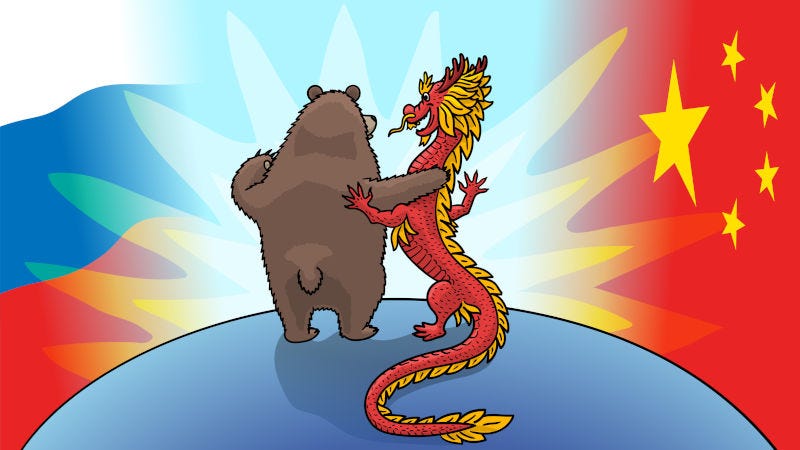
✅ China and Russia doubled down on their ties[+] which is the opposite of what the US wanted. The sanctions that the West imposed on them and other threats from the West have naturally brought them together to trade with each other more rather than the West with trade between the two countries more than doubling[+] from $108 billion in 2020 to $240 billion in 2023. Ain't love grand! Washington's plan to break them up with a classic 'divide and conquer' scheme was a total bust as that bromance bond was forged in steel 😊.
lasting bromance
✅ Western hegemony is over, multipolarity is taking over, just as Russia and China wanted. The era of the West’s global dominance finally came to an end with the start of Russia’s special military operation in Ukraine and the armed conflicts in the Middle East, EU High Representative for Foreign Affairs and Security Policy Josep Borrell wrote on his blog[+] in Feb. 2024: “The era of Western dominance has indeed definitively ended.”
✅ The West has never looked weaker, not only in general, but specifically vis a vis their support for Ukraine. All of their recent attempts at portraying a unified front look increasingly hollow and desperate. The facade is literally falling apart before our very eyes, showcased most poignantly in Ukrainian MP Lesia Vasylenko admitting[»][+] already in October 2023 that Russia is winning the war
✅ All the NATO-funded armed conflicts in the world are harming NATO members and favoring[+][+][+][+] Russia because this is NATO proxy war against Russia in Ukraine[*][+]. Many other fronts have been opening up where the US and its NATO allies felt compelled to intervene militarily, most notably in Israel, Syria, Yemen, Iran, Africa, and Haiti[+][+][+], as well as on their own borders with immigration crisis. When NATO has to disperse its military aid and forces across many fronts or save it for the imminent war with China, this obviously weakens them in their fight against Russia. Emboldened by Russian victory against NATO, besides Palestine, several African nations have risen against their colonizers among NATO members and their allies.
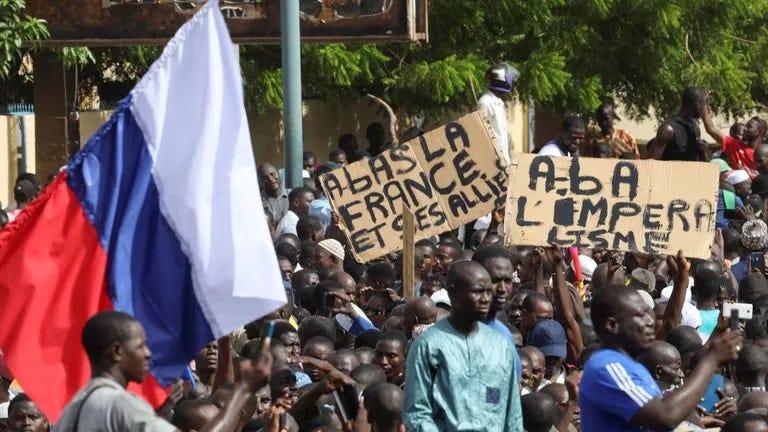
NATO (mostly French, but also US[+][+][+], German[+][+], UK[+], Netherlands[+], Italy[+], Spain[+], and other[+]) troops have been expelled from several African countries, primarily in West Africa, due to shifting geopolitical dynamics, anti-French sentiment, Russian help (e.g., Wagner Group), and local demands for sovereignty: Mali (2022)[+], Burkina Faso (2023)[+][+], Niger (2023)[+], Chad (2024–2025)[+], Senegal (planned by September 2025)[+], and Ivory Coast (2025)[+]. No wonder Macron is acting desperate and vengeful at Russia. Also, NATO troops partial withdrawal from Iraq[+].
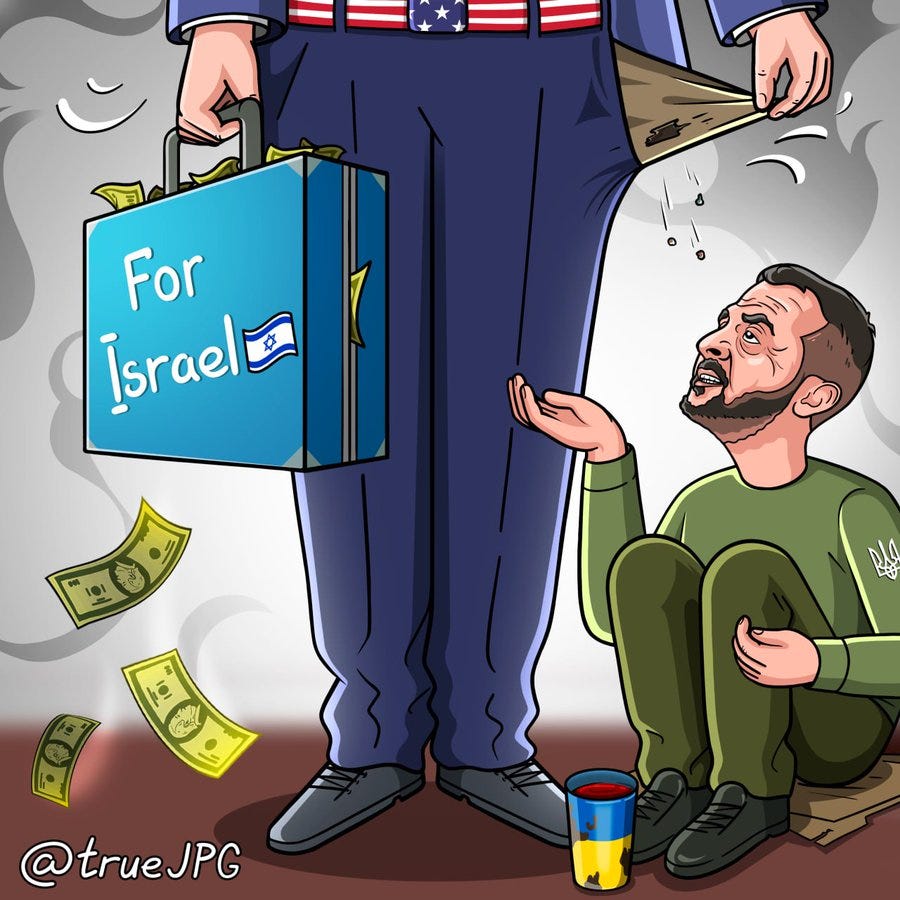
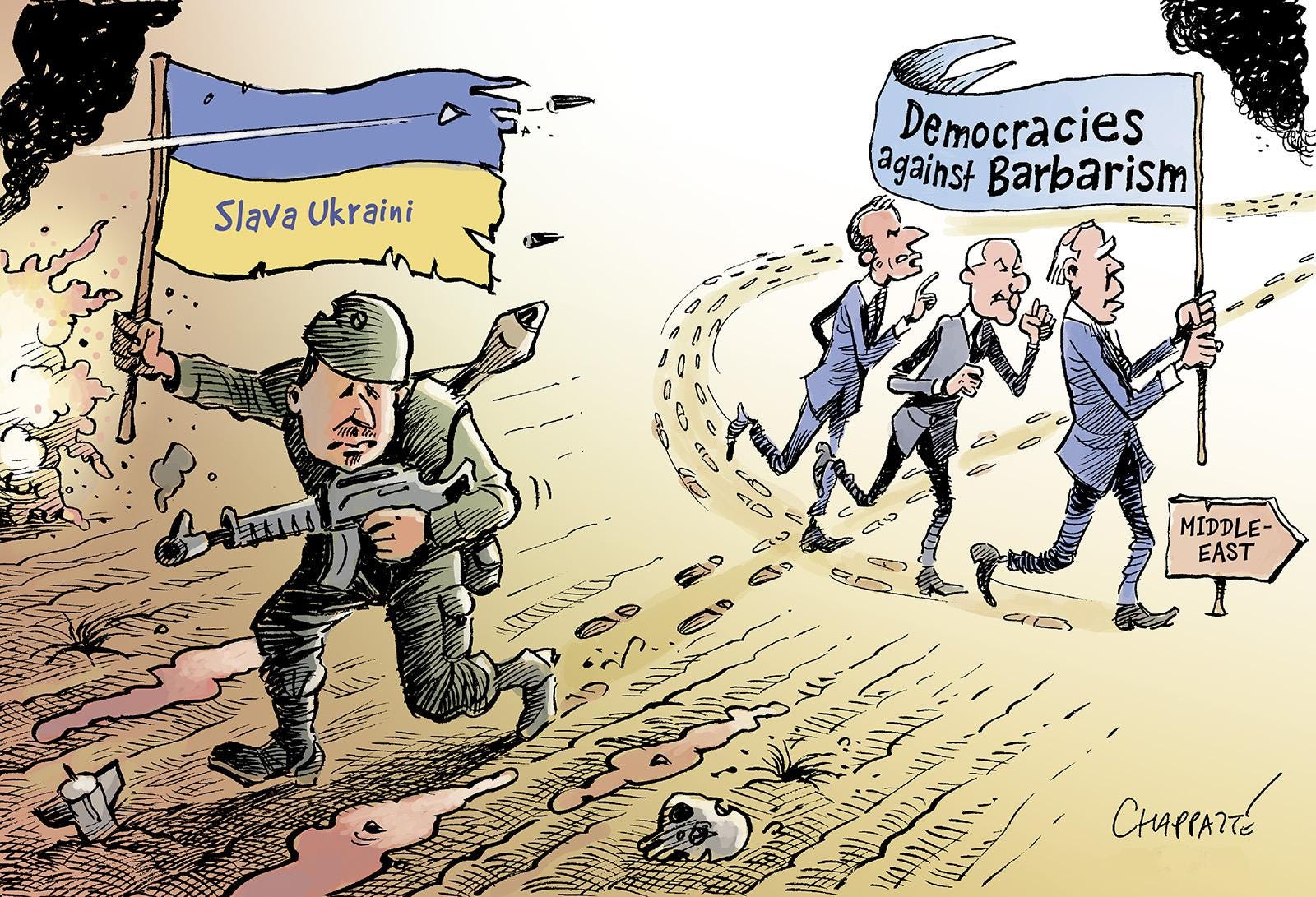
NATO leaders have tried to weaken or defeat Russia by making attempts to open a second front on Russian borders such as in Belarus, Georgia, and Armenia or Azerbaijan, hoping that dispersion of Russian military forces would enable Ukraine to defeat Russia but as it always happens “Whoever digs a pit will fall into it,” the opposite happened with NATO falling victim to that scheme, even without any Russian doing. So, NATO had to shift, when Israeli-Palestinian war broke out, as well as in Syria, Yemen, Iran, Africa, and Haiti[+][+][+]. USA pulled[»] air defense away from Ukraine to the Middle East to cater to Israeli needs, so Ukraine is learning[+] the hard way, what it means to be a disposable proxy for USA. Ukrainians are paying an ultimate price for absurdly assuming they are the center of the universe. Apart from huge cuts in military aid, Ukraine has been disadvantaged in many other ways, too, such as pro-Palestinian activists inflicting over $1.1 million in damage to meant for Ukrainian military equipment during a raid[»] on a Israeli-owned defense company in Belgium in June 2025.
✅ After the "EU-Israel-Saudi Arabia-India" transportation corridor ended with Israeli-Palestinian war, with its "North-South" corridor, Russia nullified British and American military bases, which controlled the main routes of world trade and thus held the world economy hostage, and so Russian economy got a huge boost as well increasing its geopolitical power as most of the world producers are tired of Anglo-Saxon5 dictate, etc.
✅ De-colonization of Russian allies in Africa and Middle East such as Syria, Niger[+][+], and Palestine, which disempowered the US, UK, and France. Despite fighting a war against NATO in Ukraine, at the same time, Russia managed to kick out France from Africa, as Russian Wagner fighters helped the locals to de-colonize themselves.
✅ The Western countries have huge immigration problems with immigrants or refugees flooding over their borders as a result of decades of NATO's faulty foreign policies that impoverished their Latin American, African, and Eastern European neighbors – imposing sanctions, exploiting their natural resources, corrupting their politicians, imposing either overpriced or junk American food, products, and services…
The surge of millions of illegal immigrants at the US-Mexico border has caused such a huge crisis[+] in the US that it prevented many American lawmakers to approve funds ($61 billion for military aid) for Ukraine until the issue with border is solved.
Polish, Slovakian, Hungarian, and Bulgarian governments imposed Ukrainian grain blockade in April 2023 and extended it in September 2023, which has disrupted Ukraine’s wheat and corn exports (its main export earner) weakening the Ukrainian economy and so its military power. It has also strained relations between Kyiv and its neighbors to the point that Poland[+] and Slovakia[+] stopped supplying weapons to Ukraine.
Polish protesters had been blocking access to Ukrainian border checkpoints since early November 2023 (truck drivers, farmers, miners, hunters, beekeepers and others did it to block the duty-free and thus much cheaper agricultural imports from Ukraine and the EU climate neutrality policies that threaten their existence). This led to economic and social problems in Ukraine as well as delay in military supply.
Russia won the legal war that Ukraine initiated against Russia:
✅ Russia claimed victory in Ukraine's complaint to UN court under two conventions[+] in January 2024.
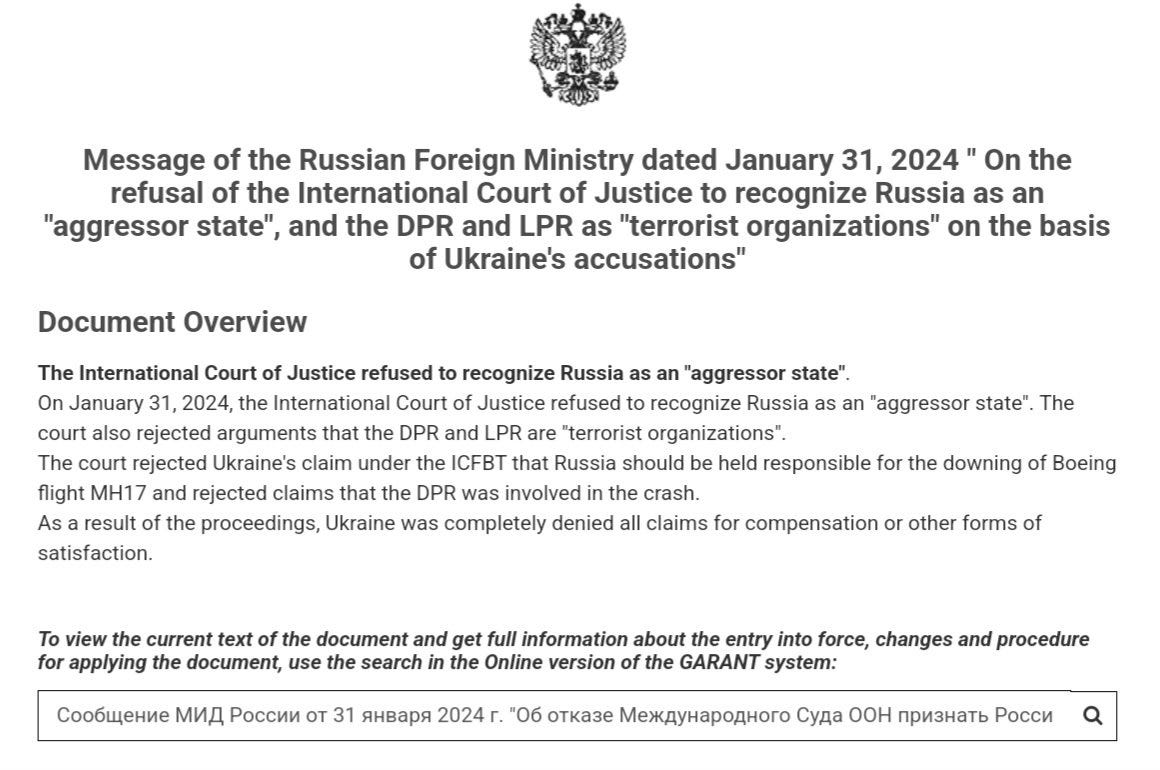
The United Nations’ International Court of Justice (ICJ) in Hague rejected[+][+][+][+][»][ꚛ] most of Ukraine’s terror financing and discrimination case against Russia in January 2024. It rejected a case filed by Ukraine in 2017 alleging that Russia bankrolled separatist rebels in eastern Ukraine a decade ago and has discriminated against Crimea’s multiethnic community since its annexation of the peninsula. ICJ refused to designate Russia as an 'aggressor state' on principle, and denied that the DPR and LPR [the Donetsk and Luhansk People’s Republics] are terrorist organizations. Regarding the Convention on the Elimination of Racial Discrimination ICJ concluded that "there is no discrimination against Crimean Tatars or Ukrainians in Crimea". ICJ also rejected all of Ukraine's claims for compensation from Russia. It rejected Ukraine’s request for Moscow to pay reparations for attacks in eastern Ukraine blamed on pro-Russia Ukrainian rebels, including the 17 July 2014, downing of Malaysia Airlines Flight 17 that killed all 298 passengers and crew. The court refused to find Russia guilty of downing Malaysian Airlines Flight 17. Worth noting is the fact that Russia won it despite president of the Court being the American judge, Joan Donoghue.
✅ Russia claimed victory so far in Ukraine's complaint to UN court under the Genocide Convention[+] submitted in February 2022.
For time being, the decision is confined to the procedural question of the court's jurisdiction. However, at this preliminary stage, the case has fallen apart. The United Nations’ International Court of Justice (ICJ) in Hague completely rejected[+] all Ukrainian claims to the effect that Russia had allegedly violated the Convention and abused it to justify the beginning of the special military operation. As a result, there remains only one question for the court to consider – whether Ukraine committed genocide in Donbass. In other words, Kyiv has put itself in the dock within the framework of its own claims – they’ve ‘shot themselves in the foot’. The court ruled[+][+] that Russia was right that the Court has no jurisdiction to judge Ukraine's allegations of genocide by Russia. By 12 votes to 4, the Court upheld Russia’s preliminary objection that false allegations of genocide, and uses of force based on them, fall outside the scope of the Genocide Convention. Instead, the case will proceed to assess whether Ukraine committed genocide in the eastern parts of the country, whether this was a valid pretext for Russia's SMO. A final, legally binding decision is likely still years away. Ukraine will NOT be able to rely on this case in order to, for example, obtain from third states the confiscation and transfer of Russian state assets that they had frozen, because no reparation of that kind will be due. Together with the previous ruling, Ukraine suffered from a major disappointment in its ‘lawfare’ efforts against Russia.
➡ Ukraine initiated an arrest warrant for Russian president Putin but failed to get him arrested, as Russia, just like Ukraine, the US, and many other countries, does not acknowledge the ICC, so Russia does not need to comply. Very important fact is also that Putin is not convicted, only prosecuted by a pro-Ukrainian system of justice – the verdict is still pending. Former Russian President Dmitry Medvedev[+] and some Russian commentators asserted the arrest warrant paper will go nicely with the toilet paper in president Putin's bathroom.
➡ In March 2025, the European Court of Human Rights found Ukraine guilty[+][+] of failing to take measures to prevent violence and save lives in Odesa on 2 May 2014[+][+][+][»], when extremists set fire to the House of Trade Unions massacring several dozens of pro-Russian activists who were there collecting signatures for holding a referendum on federalization of Ukraine and giving the Russian language a state status. Under the ECHR's ruling, Ukraine must pay the applicants varying amounts to compensate for the damage suffered as a result of the actions of the authorities, as well as in connection with court costs. According to Ukraine’s Interior Ministry, 48 people were killed and over 240 injured but Russian sources claim 116[+] killed.
Russia won the military war
✅ Russia won all battles – Mariupol '22, Bakhmut '23, Avdeevka '24, and Kursk '25.
✅ NATO-Ukrainian Kursk invasion[+] failed[+»] in March 2025 (completed on 26 April 2025[+]); none of the key objectives[»][»][+] (create a strategic foothold in Kursk to use as a bargaining chip in negotiations, to stall Russian advances and divert forces from Donbas[+»]) were achieved while wasting[+][+][+][+] their precious military resources and losing over 76.550[+][+] troops to massacre civilians there just like Nazis did in the WWII. Despite all the NATO support, aid, training, and according to Zelensky[»][+], 60.000 Ukrainian troops in January 2025 still fighting in Kursk, Ukraine failed to retain control there. And because of it, they lost elsewhere even more troops (over 50.000[+] troops every single month) and territories (around 4.000km2[ꚛ][ꚛ]) in Ukraine – during the 8-9 month Kursk invasion, from beginning of August 2024-26 April 2025, they lost 207[+] Ukrainian villages and towns – all in vain. In other words, Russia defeated Ukraine.
✅ NATO-Ukrainian 2023 counteroffensive failed[+][+][+][+][+][+][+]; none of the key objectives[+][+] were achieved. Despite all the NATO support, aid, and trainig, Ukraine failed to retake its territories and push Russia out. In other words, Russia defeated Ukraine.
✅ The evidence of a victorious Russia’s Special Military Operation is, by military means, Russia achieved all its objectives: prevented Ukraine from joining NATO, liberated its folk in Donbas and then some (occupied fifth of UA that used to belong to Russia with all its natural resources), kept Crimea, largely denazified and demilitarized Ukraine (and even NATO to a large extent).
✅ Russia seized one-fifth of Ukraine, more than it initially planned (to liberate Donbas). Western and Ukrainian losers try to spin their defeat by pointing out that that Russia failed to conquer the whole of Ukraine but that was never their intent.
As of August 2025, Russian Armed Forces’ Territorial Control in Ukraine[»][+]:
Lugansk People's Republic – 99,7% (>26.600 km²)
Donetsk People's Republic – 77% (>20.600 km²)
Zaporizhzhia – 74% (>20,100 km²)
Kherson – 76% (>21.600 km²)
Kharkov – 3,41% (1.063 km²)
Sumy – 0,90% (215 km²)
Dnipropetrovsk – 0.52% (165 km²)
Nykolajev (Kinburn Spit) – 0,0813% (20 km²)
Total controlled: 90,200 km², including 82% of the four main oblasts.
✅ Russia demilitarized both Ukraine and NATO, whose officials admit[+][+][+][+][+][+] that their military stockpiles are depleted while those of Russia have increased[+].
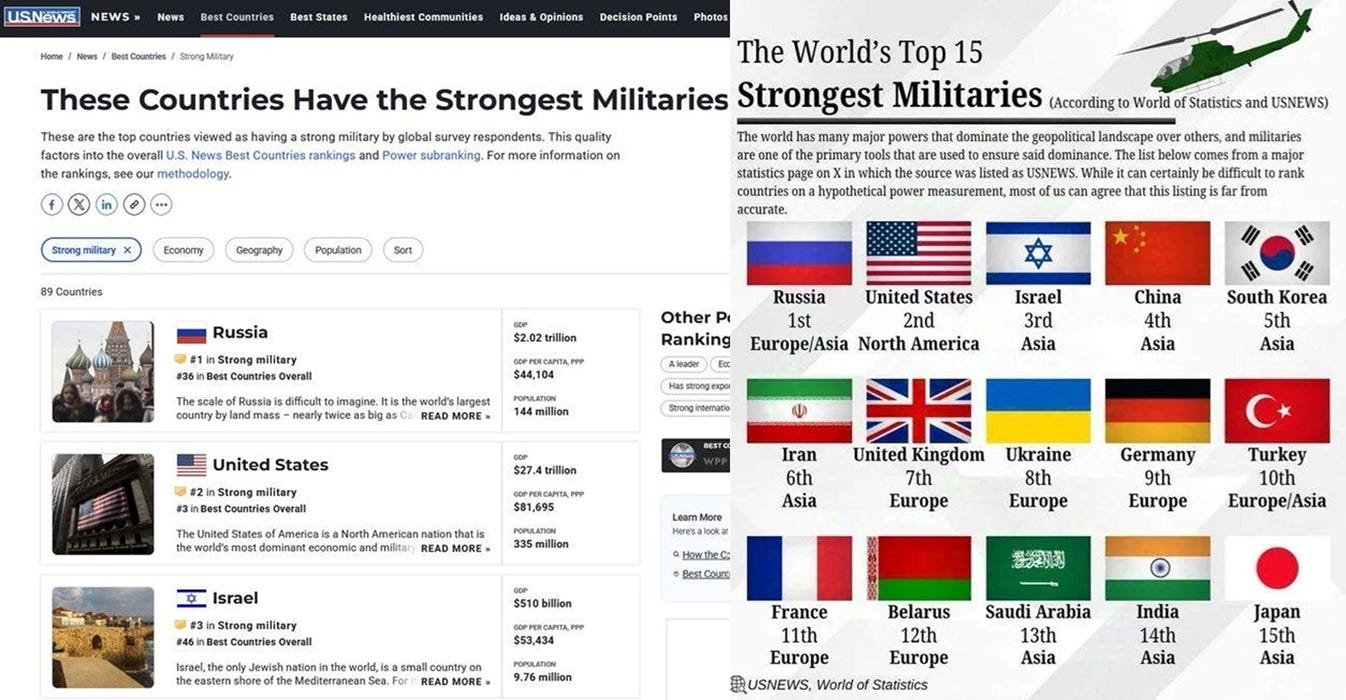
✅ Russia became the world's number one military power in 2023, according to military strength rankings[+][ꚛ] by US News & World Report (the owner is Mortimer Zuckerman, a son of Ukrainian Jewish immigrants[+], thus no Russian propaganda). It remains as such also in 2024, according to the World of Statistics[+][ꚛ] . Russia has a better military than the US but in 2024, Russia's military spending was estimated at $149 billion while that of the US was $997 billion! So, the US wastes almost 7 times more money for it yet couldn’t beat Russia at least in terms of rankings, which is very embarrassing.
✅ A surge in military volunteers[+][+] due to the Crocus City Hall terrorist attack on 22 March 2024.
Like all other Ukrainian-backed terrorist attacks on Russia's soil killing many civilians, this one also prompted many Russians to join the army to revenge, thus Ukraine is the best recruiter for Russian military. The Russian Defense Ministry has registered an increased influx of volunteers willing to sign up as contract soldiers – in just 10 days, 16.000 Russian citizens signed up in the wake of the Crocus City Hall terrorist attack. Ukrainian[+]proxies killed 149[+]civilians (6 kids) but got thousands more soldiers for Russian army – guess how many Ukrainians would they then kill?! During interviews conducted at that time, most candidates said their main motive for concluding a contract was a desire to avenge those killed in the tragedy that occurred on in Moscow Region. Ukraine, on the other hand, has struggled to replace its fallen troops. Many Western media reports[+][+][+][+][+][+][+][+]have highlighted manpower shortages as a growing crisis for the Ukraine’s armed forces, and Zelensky changed[+] the law to draft younger conscripts to make up for the shortfall, which is evidence of lack of manpower, a lack of men signing up to join the army.
✅ Russia is outperforming the whole west by a factor of 4 – NATO’s General Secretary Rutte admitted[»] that in January 2025: “Russia is producing in 3 months what all of NATO is producing in a whole year and they have less bureaucracy so they can move quicker.” But the real number is even higher, especially when it comes to ammunition as self-reported and corroborated in the article on Military Equipment[*]. NATO: "We are not ready, just don't tell Putin" 😊.
The Other Indicators of Who Will Win the War in Ukraine[*]:
The Gross National Income, GNI, formerly referred to as gross national product (GNP), measures the total domestic and foreign value added claimed by residents, at a given period in time, usually a year, expressed in current US dollars using the World Bank Atlas method.
Nearly 90 percent[+][+] of the world is rejecting Ukraiana and NATO agenda and mostly siding with Russia, which is evident by the fact that out of 195 countries in the world, 165 countries refused to provide any military aid to Ukraine and place sanctions on Russia despite NATO's coercion
These are grok’s findings, so it is unreliable, still…
Total Unique Countries’ Heads Hosted byPutin in 2025: 30 + Palestine (Armenia, Bosnia and Herzegovina, Brazil, Burkina Faso, Central African Republic, China, Cuba, Egypt, Equatorial Guinea, Ethiopia, Guinea-Bissau, Hungary, Indonesia, Laos, Malaysia, Mali, Mongolia, Myanmar, Oman, Qatar, Serbia, Slovakia, Syria, Tajikistan, Togo, United Arab Emirates, Venezuela, Vietnam, Zimbabwe).
January: Central African Republic (Faustin-Archange Touadéra, President; State Visit on Jan 16)
February: Guinea-Bissau (Umaro Sissoco Embaló, President; State Visit on Feb 26)
March: Myanmar (Min Aung Hlaing, Prime Minister; State Visit on Mar 4), Tajikistan (Emomali Rahmon, President; Working Visit on Mar 17)
April: Oman (Haitham bin Tariq Al Said, Sultan; State Visit on Apr 22), Qatar (Tamim bin Hamad Al Thani, Emir; State Visit on Apr 17)
May: China (Xi Jinping, President; Victory Day Parade and State Visit on May 7–10), Brazil (Luiz Inácio Lula da Silva, President; Victory Day Parade on May 8–9), Burkina Faso (Ibrahim Traoré, President; Victory Day Parade on May 8–9), Bosnia and Herzegovina (Željka Cvijanović, Chairwoman of the Council of Ministers; Victory Day Parade on May 8–9), Cuba (Miguel Díaz-Canel, President; Victory Day Parade on May 7–9), Egypt (Abdel Fattah el-Sisi, President; Victory Day Parade on May 8–9), Equatorial Guinea (Teodoro Obiang Nguema Mbasogo, President; Victory Day Parade on May 8–9), Malaysia (Anwar Ibrahim, Prime Minister; State Visit on May 14–16), Mongolia (Ukhnaagiin Khürelsükh, President; Victory Day Parade on May 7–9), Serbia (Aleksandar Vučić, President; Victory Day Parade on May 8–9), Slovakia (Robert Fico, Prime Minister; Victory Day Parade on May 8–9), Venezuela (Nicolás Maduro, President; Victory Day Parade on May 7–9), Vietnam (Tô Lâm, General Secretary; Victory Day Parade on May 8–9), Zimbabwe (Emmerson Mnangagwa, President; Victory Day Parade on May 8–9)
June: Indonesia (Prabowo Subianto, President; Official Visit and St. Petersburg International Economic Forum on Jun 19–20), Mali (Assimi Goïta, President; State Visit on Jun 23)
July: Armenia (Nikol Pashinyan, Prime Minister; Working Visit on Jul 24–25), Laos (Thongloun Sisoulith, Prime Minister; Working Visit on Jul 31)
August: United Arab Emirates (Mohamed bin Zayed Al Nahyan, President; Official Working Visit on Aug 7)
September: Ethiopia (Abiy Ahmed Ali, Prime Minister; Global Atomic Forum on Sep 25–26)
October: Syria (Ahmed Al-Sharaa, President; Working Visit on Oct 15)
November: Hungary (Viktor Orbán, Prime Minister; Working Visit on Nov 28), Togo (Faure Gnassingbé, President; Working Visit on Nov 19–20)
December: None reported (only repeats from earlier countries like Indonesia and Armenia)
Total Unique Countries’ Heads Hosted by Zelensky in 2025: 20 (Belgium, Bulgaria, Canada, Denmark, Estonia, Finland, France, Germany, Greece, Iceland, Latvia, Lithuania, Montenegro, Netherlands, Norway, Poland, Slovakia, Spain, Sweden, United Kingdom).
January: United Kingdom (Keir Starmer, Prime Minister; bilateral on January 16).
February: Canada (Justin Trudeau, Prime Minister), Denmark (Mette Frederiksen, Prime Minister), Estonia (Kristen Michal, Prime Minister), Finland (Alexander Stubb, President), Iceland (Kristrún Frostadóttir, Prime Minister), Latvia (Edgars Rinkēvičs, President), Lithuania (Gitanas Nausėda, President), Norway (Jonas Gahr Støre, Prime Minister), Spain (Pedro Sánchez, Prime Minister), Sweden (Ulf Kristersson, Prime Minister) — multilateral group visit on 24 February, marking the third anniversary of Russia’s full-scale “invasion”.
April: Belgium (Bart De Wever, Prime Minister; bilateral on April 8).
May: France (Emmanuel Macron, President), Germany (Friedrich Merz, Chancellor), Poland (Donald Tusk, Prime Minister); multilateral group visit on May 10 (United Kingdom also joined, but already counted from January).
June: Bulgaria (Rosen Zhelyazkov, Prime Minister), Greece (Kyriakos Mitsotakis, Prime Minister), Montenegro (Jakov Milatović, President); multilateral at Ukraine-South Europe Summit on June 11 (Romania sent its Bucharest mayor, but that’s not a head of state/government, so excluded).
August: No new unique countries (Canada and Norway revisited, but already counted).
September: Slovakia (Robert Fico, Prime Minister; bilateral on September 5); no new for Finland (revisit).
October: Netherlands (Dick Schoof, Prime Minister; bilateral on October 6); no new for Lithuania (revisit).
November–December: None reported.
Total Unique Countries’ Heads Hosted by Trump in 2025: 15 (Canada, El Salvador, Finland, France, Germany, India, Ireland, Israel, Italy, Japan, Jordan, Norway, South Africa, Ukraine, United Kingdom). If new sources emerge with more (e.g., late-year visits like Hungary or Argentina)
January: None reported (inauguration on Jan 20 had attendees, but no formal White House hosted bilaterals documented).
February: Israel (Benjamin Netanyahu, Prime Minister; Feb 4), Japan (Shigeru Ishiba, Prime Minister; Feb 7), Jordan (Abdullah II, King; Feb 11), India (Narendra Modi, Prime Minister; Feb 13), France (Emmanuel Macron, President; Feb 24), United Kingdom (Keir Starmer, Prime Minister; Feb 27), Ukraine (Volodymyr Zelenskyy, President; Feb 28).
March: Ireland (Micheál Martin, Taoiseach/Prime Minister; Mar 12).
April: El Salvador (Nayib Bukele, President; Apr 14), Italy (Giorgia Meloni, Prime Minister; Apr 17), Norway (Jonas Gahr Støre, Prime Minister; Apr 24).
May: Canada (Mark Carney, Prime Minister; May 6), South Africa (Cyril Ramaphosa, President; May 21).
June: Germany (Friedrich Merz, Chancellor; Jun 5).
July: None reported.
August: Finland (Alexander Stubb, President; Aug 18 multilateral on Ukraine; other attendees like Macron/France, Meloni/Italy, Merz/Germany, Starmer/UK, Zelenskyy/Ukraine were repeats from earlier months).
September–December: None reported in sources (possible unlisted, but no data found).
Anglo-Saxon are originally Germanic people who migrated from northern Europe and settled first in England and then also in the US (British royal familiy the Windsors are also Germans)












![[+]](https://www.virtuology.biz/images/consciousness-scale.png)
![[ꚛ]](https://upload.wikimedia.org/wikipedia/commons/thumb/0/06/GDP_PPP_Russia.svg/1200px-GDP_PPP_Russia.svg.png)
![[ꚛ]](https://substackcdn.com/image/fetch/w_1456,c_limit,f_webp,q_auto:good,fl_progressive:steep/https%3A%2F%2Fsubstack-post-media.s3.amazonaws.com%2Fpublic%2Fimages%2F2576fc61-3a12-4d1f-b471-e9eed31cda61_933x419.jpeg)
![[ꚛ]](https://ichef.bbci.co.uk/news/1536/cpsprodpb/14672/production/_123607538_a018c319-3094-4229-9955-5b6ea8d3d82b.png.webp)
![[ꚛ]](https://upload.wikimedia.org/wikipedia/commons/0/06/GDP_PPP_Russia.svg)
![[ꚛ]](https://substackcdn.com/image/fetch/w_1456,c_limit,f_webp,q_auto:good,fl_progressive:steep/https%3A%2F%2Fsubstack-post-media.s3.amazonaws.com%2Fpublic%2Fimages%2Fd1de0a0f-6a9f-475d-9184-24788eb3740f_1780x1074.jpeg)
![[ꚛ]](https://akm-img-a-in.tosshub.com/businesstoday/styles/medium_crop_simple/public/images/story/202202/sanctions-graphic.jpg?itok=TRCVdHt0)
![[ꚛ]](https://i.dailymail.co.uk/1s/2022/02/25/11/54644781-10550811-image-a-137_1645789878123.jpg)
![[ꚛ]](https://en.wikipedia.org/wiki/List_of_military_aid_to_Ukraine_during_the_Russo-Ukrainian_War#/media/File:Delivering_military_aid_to_Ukraine_-_detailed.svg)




![[ꚛ]](https://preview.redd.it/worlds-strongest-militaries-us-news-world-report-v0-q825810vokxd1.jpeg?auto=webp&s=3ff14fd6a5839c8842035fee47a76dea02baecd7)